Insights

HMA Insights: Your source for healthcare news, ideas and analysis.

HMA Insights—including briefs, webinars, and our podcast—gives you easy access to HMA’s deep expertise, helping you stay current on the latest healthcare trends and topics. Search for a topic of interest or browse the latest insights below.

or
or
Receive timely expert insights on topics you care about.

180 Results found.

Child and family wellbeing: family resilience

Read Blog

This is part of an ongoing series highlighting efforts in human services and family wellbeing. 

For decades, practitioners have recognized that child neglect was often interconnected in some families with stressors associated with familial poverty. Poverty is often a stressor in cases of child neglect, poor health, and even youth incarceration. Food insecurity, housing instability, and family stressors often related to unemployment, incarceration, and domestic violence can in some circumstances, result in parental burnout and lead to poor parenting decisions. There is also a perverse disincentive for families to experience career and wage progression which often results in steep fiscal cliffs with benefits that are needed to stabilize families and guide them towards economic self-sufficiency[1]. There is advocacy and increasing recognition through efforts such as Universal Basic Income Pilot programs and experiments with expanding Earned Income Tax Credits and Child Tax Credits attempting to mitigate catastrophic benefits cliffs that impact child and family wellbeing and economic self-sufficiency.

Public Safety Net programs such as Temporary Assistance to Needy Families, Supplemental Nutrition Assistance Program, WIC, Free and Reduced School Meals, Child Care Subsidies, Earned Income Tax Credit, Eviction Prevention Grants, and a host of other federal, state, and local programs are intended to support and strengthen families and increase protective factors for children[2].   

Recent investments in the safety net including the childcare tax credit and the Pandemic Electronic Benefit Card (P-EBT) have shown that when concrete supports are provided to families, child maltreatment rates significantly decrease.[3]  

During the height of the COVID-19 pandemic, the federal government implemented a One-Year Expansion of the Child Tax Credit which extended the eligibility to families with little to no income. It helped increase the credit amount families received from $3,600 per qualifying child younger than six years old and $3,000 for qualifying child between the ages of 6 and 17. It also provided monthly payments of $250 to $300 per qualifying child as opposed to an annual payment which aligned with monthly living expenses. According to the US Census Bureau, 2021 saw a historic decline in child poverty which lifted one million children under the age of six out of poverty, and 1.9 million for children between the ages of six and 17.  

More recently States are experimenting with Universal Basic Income projects aimed at reducing child poverty, improving protective factors in families and reducing child maltreatment.[4] These experiments are currently being evaluated, but early research is showing promising signs of reduced child poverty in jurisdictions where these projects have gone live. 

There is considerable literature that shows that changes in income alone, holding all other factors constant, have a major impact on the numbers of children being maltreated. Conversely, reduction in income or other economic shocks to the family increase incidents of child maltreatment. 

A study performed by the Nuffield Foundation noted that internationally, evidence has shown a much stronger relationship between poverty and child abuse and neglect. Research has shown that without government and service providers responding to increased pressures on family life will lead to the risk of more children suffering harm, abuse and neglect.[5]

 Another study by Casey Family Programs on predicting chronic neglect, found that the strongest predictors of chronic neglect were parent cognitive impairment, history of substitute care, parent mental health problems, and a higher number of substantiated allegations in the first CPS report[6]. This suggests that families at risk for chronic neglect face multiple challenges and significant financial insecurity that require significant support.

  • Other significant predictors include:
    • Younger parents
    • Families with a higher number of children
    • Families with a child under age 1

Recognizing these challenges to strengthening the protective factors for young moms, there have been several successful efforts around the country to focus on pregnant and parenting teen and young adult moms. From Health Families America, Nurse Home Visiting Programs, there has been a body of evidence created that shows the strengths of providing wrap around services and home-based interventions for moms and babies. These supports strengthen the mom-baby nurturing relationship and reduce risk of maltreatment and increase protective factors. 

One such organization that has demonstrated significant success in disrupting the cycle of generational poverty is The Jeremiah Program. This is a national organization that aids single mothers and their children to provide coaching and assistance in navigating barriers to education, college access and career support, safe and affordable housing, early childhood education and childcare, and empowerment, leadership, and career training. This supportive program helps build up single mothers to achieve their educational and career goals and gain long-term economic prosperity. 

As child welfare and poverty policies intersect, the current thought leadership is focused on recognizing that economic and concrete supports reduce involvement in child welfare.[7] As the science and voices of children and families with lived experience intersect and rise up, the federal and state policy landscape around alleviating poverty to improve child wellbeing will continue to gain momentum. Family and Child Well-Being indicators significantly reflect racial and ethnic inequalities both in child welfare and across the poverty landscape. Economic stability is also a key strategy to address racial and ethnic inequalities and closing the opportunity gap for all. Over the next 3-5 years we believe there will be a fundamental shift in policy, financing, and outcomes tracking that reflect our commitment to our society’s most vulnerable children and families. That is why it is crucial for States and Local governments to enact policies that would support programming to alleviate poverty and improve child and family resilience and protective factors.

HMA consultants have decades of experience working hand-in-hand with public health, social services, behavioral health, Medicaid, and human services agencies. We help strengthen relationships surrounding policy, practice and revenue maximization in the human services space. Our experts work to help support programs in areas of Nutrition: Women, Infants & Children (WIC), Supplemental Nutrition Assistance Program (SNAP); Financial Support: Child Support, Temporary Assistance for Needy Families (TANF); Child and Adult Welfare Services; Medicaid; Housing and Weatherization; Early Education: Childcare Subsidy, Child Care and Development Block Grant (CCBDG) programs; and Workforce Development and Workforce Innovation and Opportunity Act (WIOA) programs.

If you have questions on how HMA can support your efforts in Child and Family Wellbeing, please contact our experts below.


[1] What Are Benefits Cliffs? – Federal Reserve Bank of Atlanta (atlantafed.org)

[2] Economic Supports Chapin Anderson Nov 2020b (chapinhall.org)

[3] Research Reinforces: Providing Cash to Families in Poverty Reduces Risk of Family Involvement in Child Welfare | Center on Budget and Policy Priorities (cbpp.org)

[4] Understanding The Difference Between Guaranteed Basic Income Vs Universal Basic Income – Orange and Blue Press

[5] New evidence on the relationship between poverty and child abuse and neglect

[6] Predicting Chronic Neglect – Casey Family Programs

[7] Economic Supports Chapin Anderson Nov 2020b (chapinhall.org)


Webinar replay: Youth mental health access: school-based intervention strategies

Watch Now

This webinar was held on June 14, 2023.

The youth mental health crisis has resulted in a cascade of federal funding, advisories, and overall opportunities to improve resources to help kids. This webinar presented the Dialectical Behavioral Therapy (DBT) STEPS for Adolescents model, which is a low cost, high impact approach that empowers schools to intervene and support well-being and resiliency before students are in crisis, self-harming, or suicidal. Attendees learned how to fund and implement this approach to promoting mental wellness as a strategy to reduce the burden on clinical resources designed to treat mental illness.

Whether you are a plan looking to develop value added services, a provider looking to better integrate with schools, or a school team looking for new approaches, this discussion offered information about available funding, highlight research demonstrating evidence for the model, and offer Q&A with one of the developers of the DBT model.

Learning Objectives

  • Credentialing Not Required – Why DBT is a preferred model to address the youth BH crisis.
  • Ease of Implementation – How DBT has been adapted for current school personnel to deliver.
  • Financing Options –How to finance enhancements to school-based mental health services including, but not limited to DBT-STEPS-A.

Featured Speakers

Webinar replay: Opportunities for state payers to improve & align incentives for treatment of substance use disorder

Watch Now

This webinar was held on June 6, 2023. 

Health Management Associates (HMA) is proud to offer a 3-part series of webinars looking at the effect of proposed regulations on delivery of opioid treatment services to the population facing addiction issues. In this second webinar, HMA consultants highlighted opportunities for state payers to improve & align incentives so that providers can expand access to treatment enabled by new federal regulations that encourage patient-centered care.

Patients seeking SUD treatment stand to truly benefit from the changes presented in the forthcoming SAMHSA regulations. However, payers need to restructure the reimbursement model to incentivize person-centered care and allow opioid treatment providers to remain fiscally viable without putting undue burden on patients.  The change in regulations present a unique opportunity to advance value-based payment models in the SUD treatment system and expand access to treatment that meets patients where they are.

Learning Objectives:

  • How Payers Can Benefit – Understanding the opportunity for payers to close important gaps in current approaches to SUD treatment.
  • Innovation Inspiration – Learning from other programs to better deliver whole person care.
  • Tackling Challenges – Identifying the likely obstacles and how they can be overcome.

Speaker:

  • Chris Regal, Director, Clinical Innovation, America’s Health Insurance Plans​

Watch the replay of Part 1 of our Opioid Treatment Providers webinar series.

Stayed tuned for information on part 3 of our Opioid Treatment Providers series: Opportunities for State Regulators to Shape Policy and Regulation of Treatment for Substance Use Disorder

Crisis and Managed Care 

Read Blog

Managed Care Organizations (MCOs) are key partners in ensuring members have access to integrated physical and behavioral health care, which includes a robust, coordinated crisis care continuum. MCOs can also manage early intervention and help prevent crises and high-cost utilization through care coordination. 

CRISIS SYSTEM AND SERVICES 

Mental health and substance use distress has increased nationally and has been exacerbated by COVID-19. The Federal government in partnership with States and localities around the country are working to expand access to effective crisis interventions. The creation of the national 988 suicide and crisis hotline combined with new funding and guidance on mobile crisis services are critical to preventing and responding to behavioral health crises.

Health Management Associates (HMA) consultants have deep experience and expertise designing, operating, and overseeing crisis services. This includes a broad portfolio of current projects, working with a range of state and local policymakers, payers, providers, first responders, and communities to implement robust crisis continuums. 

Opportunities for MCOs 

MCOs can play an important role in informing how crisis services meet the needs of their members, and reduce high cost utilization of emergency departments and inpatient care. HMA can help you identify innovative ways to collaborate with States and community-based organizations to drive real access to crisis prevention and intervention services for individuals and families. This work includes building robust crisis continuum networks that include the full array of options, and best practices in crisis response including diversion from and alternatives to expensive emergency department and hospital visits.

This presents an opportunity for MCOs to play a pivotal role in driving better population health outcomes, expanded health equity, improved member experience, and to ultimately reduce the total cost of care.

Our Expertise and Capabilities: 

Evidence-based and leading edge clinical and operational practices

Cross-sector partnerships with law enforcement, emergency service providers and community partners

System change by connecting policy to practice

Defining and measuring key performance indicators and outcomes

Developing sustainable financing models (e.g., rate setting, reimbursement strategies)

Identifying effective workforce strategies including training and maximizing of multi-disciplinary teams (e.g., peers, behavioral health providers, nurses, licensed health care providers)

Maximizing virtual and technology interventions

988 state planning and implementation support

Designing and implementing crisis receiving and stabilization facilities

Conducting certified community behavioral health clinic (CCBHC) readiness and implementation support

Cross-sector crisis collaboration and partnerships, including emergency management services (EMS) and law enforcement

Crisis call hotline and 911 centers collaboration

Individuals with Medicaid and justice system involvement (e.g., 1115 waivers, reentry, and care coordination during transition from jail/prison into the community)

Approaches, programs, and strategies for individuals with complex care needs and high utilizers

Identifying cross-sector technology and information sharing solutions and best practices

Crisis transportation services and financing models, including least restrictive alternatives to law enforcement transport

How HMA can assist MCOs:

Strategic
Planning

Understanding emerging trends and federal and state policies that impact managed care plans, including maximizing funding streams at state and county levels, 1115 justice waivers and school-based mental health, and including key stakeholders in the planning process.

Design and Implementation

Adopting state Medicaid criminal justice reforms (e.g., in reach, care coordination, Medicaid eligibility); engaging local and county stakeholders in building partnerships with health plans; designing and developing requests for proposals (RFPs), procurement support and readiness reviews; and developing utilization management programs and care coordination strategies.

Training
and Support

Assessing benefit design, and developing standards for network development, management, and adequacy; identifying quality, key performance indicators, monitoring and compliance strategies; identification and implementation of evidence-based practices across the age continuum; and developing training standards and oversight. 

HMA Crisis Portfolio Clients:

Health plans

Federal, state & local governments

Health and behavioral health care providers

Hospitals & health systems

Educational settings and academic institutions

Coalitions and advocates

Associations and foundations

Investors

Criminal justice stakeholders and facilities

Law enforcement

Emergency management services (EMS)

Public health departments

Contact our experts:

Headshot of John Volpe

John Volpe

Principal

John Volpe is an experienced senior health official with a demonstrated record of success at the intersection of health, social … Read more

Value-Based Payment (VBP) – Is your organization ready?

Read Blog

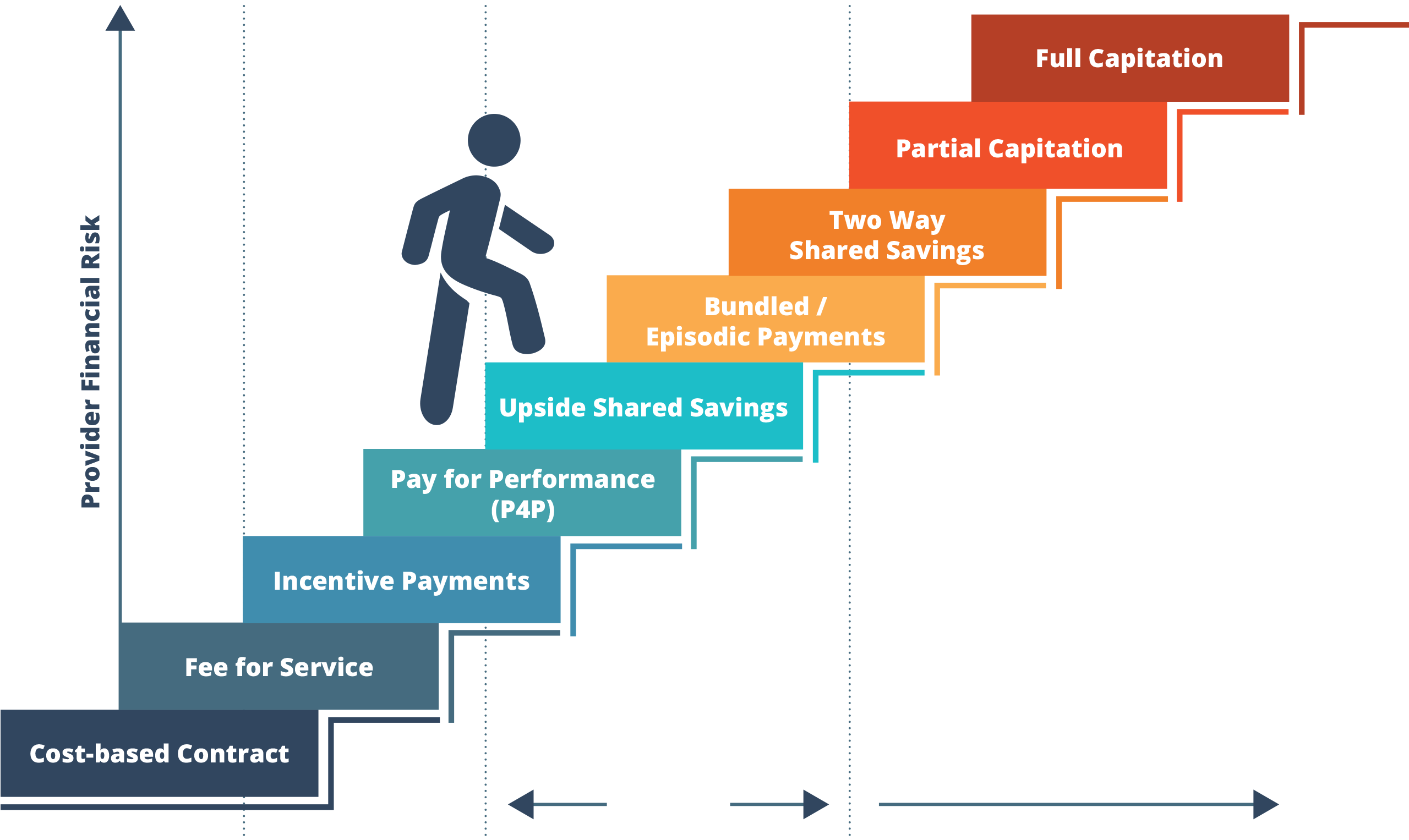
Utilization of value-based payment (VBP) strategies continues to expand, with states and health plans recognizing the benefits of rewarding outcomes over volume. This includes population based VBP initiatives intended to address disparities. Health Management Associates (HMA) is at the center of these initiatives, supporting payers with development and implementation, as well as supporting providers through the transition from a traditional FFS model to maximizing reimbursement through effective care delivery, supported by the necessary administrative infrastructure and resources. As our clients in health care communities move forward with alternative payment models, we have developed tools and strategies to achieve the essential milestones to successful implementation.

Milestone 1: Provider Readiness Assessment

Successful planning for the transition to VBP begins with an understanding of where your organization is starting from, informing the targeted milestones associated with each providers’ unique strengths and challenges.

Understanding that success under VBP models requires adjustment of both clinical and administrative practices, HMA has created an assessment tool that considers the programmatic, financial, and technology resources necessary for VBP implementation. In addition to the ability to leverage these resources, organizations must have the capacity for VBP components such as cost reporting, revenue cycle management, and real time risk monitoring through the collection and analysis of data.  

With VBP on the horizon for our organization, HMA helped us to determine our readiness and to devise a strategy to remediate gaps in operations in order to be successful with the new payment model.

– Tamara Player, CEO; Polara Health, AZ

Milestone 2: Strategy Development and Change Management

A change in reimbursement methodology requires organizational realignment of administrative and programmatic approaches. Assessing and supporting staff through these changes is a key milestone for success. Activities in which HMA have supported our clients include:

Creating leadership and governance buy-in

Preparing the Board and Staff for VBP

Aligning mission and vision with payment models and accountability metrics

Project Management, including development and monitoring of implementation plans

Cross functional team support

Milestone 3: Data Collection and Reporting Capabilities

The ability to collect and report meaningful outcomes is at the core of successful engagement in VBP. Following an assessment of current capabilities, HMA has supported provider organizations in maximizing electronic health record and other data system capabilities to capture data essential for reimbursement, as well as increasing analytic capabilities that are essential for monitoring outcomes to ensure programs can pivot when data indicates outcome achievement may be at risk. Activities include:

Technology and Data Enterprise configuration to support analytics and reporting

Creating real-time access to data

Benchmarking current outcomes against proposed VBP metrics

Alignment of current framework to payer metrics

Creation of internal clinical leadership infrastructure to support proactive monitoring and action in response to data

Milestone 4: Business Office and Finance

All aspects of an organization’s financing can be impacted by transitions in payment methodology, including cash flow, impacting cash on hand for capital and other expenses. Anticipating these changes and adjusting accordingly are key to readiness for VBP and importantly, mitigating risk during the transition. HMA can assist with:

Assessing organizational ability to accept risk

Developing a risk corridor based on organizational readiness

Negotiating alternative payment arrangements with payers

Milestone 5: Clinical Programmatic Approaches under VBP

VBP arrangements provide opportunities for organizations to move closer to the goal of achieving outcomes for their clients, rather than productivity targets and units of service. This includes incorporating approaches that could not receive reimbursement under an FFS model. With this flexibility comes the opportunity to review and adapt clinical approaches and programming, including population specific strategies. HMA is ready to support these efforts through:

Workforce analysis

Re/design of clinical workflows  

Implementation of measurement-based care

Optimization of clinical templates within the EHR to support data collection and reporting

Understanding the opportunities of value-based payment across the continuum of payment models

While these activities may seem overwhelming, HMA is ready to support your organization to receive reimbursement based on meaningful improvement for your clients through technical assistance and training on each of the core elements outlined above.

Webinar replay: Behavioral health: moving access to care and network adequacy into the 21st century

Watch Now

This webinar was held on September 7, 2023.

States, counties, health plans, and providers are asking how to meet the growing demand for behavioral health (BH) services. HMA teamed with experts to discuss these challenges at our recent Quality Conference where we crowdsourced ideas for how to redefine and measure network adequacy, examining provider selection, community need, and measurement.

This webinar reconvened those panelists to continue this critical conversation, shared feedback on factors that lead to “adequate” provider capacity, and discussed the impact of new federal network adequacy standards.

The conversation won’t stop with this webinar. We’ll use our continuously crowdsourced information and material for our BH workshop on Oct. 29, (the day prior to the start of the 2023 HMA Conference), making the connection between how large system reform in BH will shape how we think about network adequacy. We hope you’ll join us.

Learning Objectives

  • Understand widely varying state standards for BH network adequacy and metrics — and validity concerns about how provider volume is assessed.
  • Consider the true impact of BH provider shortage on care. (Reality check: we do not have enough BH providers and will not catch up at the current rate of training.)
  • Learn about treatment engagement challenges and the need to establish criteria for discharge or discontinuation of treatment.
  • Understand how extending BH workforce capacity with peer networks might ease shortage concerns.
  • Hear about Delaware’s challenges and innovations to build an end-to-end ecosystem of care, shifting toward a journey rather than an episode of care.
  • Learn about recent federal reform and new standards around network adequacy.

Speakers

Nazlim Hagmann, MD, MPH
Senior Vice President and Associate Chief Medical Officer, Commonwealth Care Alliance 

Rhonda Robinson Beale, MD
Senior Vice President and Deputy Chief Medical Officer, UnitedHealth Group

Claire Wang, MD, ScD
Associate Deputy Director, Division of Substance Abuse and Mental Health, Delaware State Department of Health and Social Services

Webinar replay: Medicare policy changes impacting behavioral health services workforce and population health

Watch Now

This webinar was held on September 12, 2023. 

Continuing our discussion from Part 1 of this series, recent rule changes proposed by the Centers for Medicare and Medicaid Services (CMS) will enable regulatory and statutory expansion of behavioral health services and providers. This webinar focused on how those changes will impact the already strained workforce, and the corresponding impacts on population health, value-based care, and the needs of special populations. Experts dove deeper into approaches health systems may adopt to handle workforce shortages while expanding access.

Learning Objectives:

  • Understand how CMS rule updates on behavioral health services will help expand needed care for Medicare recipients and dual eligible populations.
  • Create strategies for addressing the 2023 CMS rule updates to benefit employers and delivery systems toward improving whole health outcomes and reducing behavioral health workforce shortages.

Webinar replay: Medicaid 1115 justice waivers and special populations: meeting the needs of justice-involved youth

Watch Now

This webinar was held on August 17, 2023. 

HMA’s webinar series, 1115 Medicaid Justice Demonstration Waivers: Bridging Healthcare, focused on helping stakeholders optimize care for persons in carceral settings and during their transition back to the community.

Youth in juvenile correctional settings often have complex medical, behavioral health, developmental, social, and legal needs. Many youth have been exposed to adverse childhood experiences, unsupervised home environments and have lacked access to behavioral health services. Transitioning youth from correctional facilities require high quality transition planning services for successful reentry into the community.  Part 5 of this webinar series delved into the types of care and services needed for youth, so that a whole-person approach can be applied to facilitate successful reentry to the community.

Learning objectives:

  • Understand the unique needs of juveniles in correctional settings
  • Discuss opportunities under CMS State Medicaid Director Level 1115 guidance to support reentry for justice involved youth
  • Discuss effective state models for justice-involved youth
  • Learn how to create a whole-person approach to health needs of juveniles in the justice setting

Other webinars in this series:

Webinar replay: New tools for Medicare policy changes impacting behavioral health services

Watch Now

This webinar was held on July 26, 2023.

In light of the recent Medicare regulatory and statutory expansion of behavioral health services and providers, this webinar focused on how those changes will impact the demand, delivery, and availability of behavioral health services. Experts covered how changes in Medicare coverage will affect different behavioral health provider types, improve access to opioid/SUD treatment, and improve flexibility with telehealth/digital service delivery. At a time when behavioral health access is strained, and workforce shortages are reported nation-wide, this new Medicare coverage (expected rules to be announced soon) presents both a significant opportunity as well as a challenge to the delivery system.

Learning Objectives:

  • Understand the recent Medicare regulatory and statutory changes impacting behavioral health providers, services, and reimbursement.
  • Anticipate changes in demand for behavioral health services and the impact on your local market.
  • Plan for the impact of regulation changes on demand for opioid/SUD treatment and telehealth/digital service delivery.

HMA annual conference on innovations in publicly sponsored healthcare

Read Blog

Innovations in Publicly Sponsored Healthcare: How Medicaid, Medicare, and Marketplaces Are Driving Value, Equity, and Growth

Pre-Conference Workshop: October 29, 2023
Conference: October 30−31, 2023
Location: Fairmont Chicago, Millennium Park

Health Management Associates has announced the preliminary lineup of speakers for its sixth annual conference, Innovations in Publicly Sponsored Healthcare: How Medicaid, Medicare, and Marketplaces Are Driving Value, Equity, and Growth.

Hundreds of executives from health plans, providers, state and federal government, investment firms, and community-based organizations will convene to enjoy top-notch content, make new connections, and garner fresh ideas and best practices.

A pre-conference workshop, Behavioral Health at the Intersection of General Health and Human Services, will take place Sunday, October 29.

Confirmed speakers to date include (in alphabetical order):

  • Jacey Cooper, State Medicaid Director, Chief Deputy Director, California Department of Health Care Services
  • Kelly Cunningham, Administrator, Division of Medical Programs, Illinois Department of Healthcare and Family Services
  • Karen Dale, Chief Diversity, Equity, and Inclusion Officer, AmeriHealth Caritas
  • Mitchell Evans, Market Vice-President, Policy & Strategy, Medicaid & Dual Eligibles, Humana
  • Peter Lee, Health Care Policy Catalyst and former Executive Director, Covered California
  • John Lovelace, President, Government Programs, Individual Advantage, UPMC Health Plan
  • Julie Morita, MD, Executive Vice President, Robert Wood Johnson Foundation
  • Anne Rote, President, Medicaid, Health Care Service Corp.
  • Drew Snyder, Executive Director, Mississippi Division of Medicaid
  • Tim Spilker, CEO, UnitedHealthcare Community & State
  • Stacie Weeks, Administrator/Medicaid Director, Division of Health Care Financing and Policy, Nevada Department of Health and Human Services
  • Lisa Wright, President and CEO, Community Health Choice

Publicly sponsored programs like Medicare, Medicaid, and the Marketplaces are leading the charge in driving value, equity, and growth in the U.S. healthcare system. This year’s event will highlight the innovations, initiatives, emerging models, and growth strategies designed to drive improved patient outcomes, increased affordability, and expanded access.

Early bird registration ends July 31. Group rates, government discounts, and sponsorships are available.

New experts join HMA in April 2023

Read Blog

HMA is pleased to welcome new experts to our family of companies in April 2023. This diverse team brings significant expertise in Medicare, Medicaid, regulatory strategies, and managed care, strengthening HMA’s capabilities in healthcare consulting across areas like actuarial support, regulatory compliance, and strategic leadership in Medicare Advantage and Medicaid programs.

Headshot of Jed Abell

Jed Abell

Consulting Actuary I

Headshot of Elrycc Berkman

Elrycc Berkman

Senior Consulting Actuary I

Headshot of Monica Bonds

Monica Bonds

Associate Principal

Headshot of Yucheng Feng

Yucheng Feng

Senior Consulting Actuary I

Headshot of Ryan McEntee

Ryan McEntee

Senior Consultant II

Child and family wellbeing: May is National Foster Care Month

Read Blog

This is part of an ongoing series highlighting efforts in Human Services and Family Wellbeing. 

During the month of May, National Foster Care Month provides an opportunity to raise awareness on issues related to foster care and to celebrate those who are dedicated to serving our children, youth, and families. Yet it is important to note that unfortunately issues surrounding children and youth experiencing foster care are not limited to one month a year. As noted in our recent child well-being blog, Child welfare services face challenges every day to prevent, treat, and reduce risk of maltreatment, neglect, trauma, housing instability, and violence in communities. All these issues contribute to the significant number of children and youth who enter or remain in the foster care system. These issues are year-round and decades in the making. They need to be seen as a priority for public health and community wellbeing and not just the jurisdiction and responsibility of child welfare agencies.

To positively impact the number of children and youth experiencing foster care, there are some strategies that can be implemented now to promote change:

  • We must meaningfully elevate the voices of those with lived experience to help us design systems that meet their needs. For foster care, working to hear and understand the voices of youth based on how they have experienced foster care will help create opportunities to improve the system from those most impacted. Further, the meaningful elevation of these voices helps to ensure their input is not contributing towards tokenism and re-traumatization.
  • Multi-system involvement is important. We can work together to enhance access, increase prevention-oriented services, improve community health, and well-being, and achieve better outcomes using an equity lens, but proposed system reforms cannot be successful without shared ownership within the community and across government agencies. This requires building a responsive and integrated system of care approach to allow communities to seek solutions with the necessary support of the highest leadership within their organizations.   
  • Continue to find ways to assure that mandated reporters and staff who work within child welfare understand that poverty is not neglect, and poverty alone should not be a reason children and youth are removed from their home(s).
  • System redesign is needed. From front end reporting and assessment, to working with court systems, to building up networks of caring service providers, each component of the current child welfare system and human services partners can strive to find areas needing improvement and collectively change the experiences for children and youth engaged in the child welfare system.
  • Focus on mental health. This year’s theme from the Children’s Bureau for national foster care month is “Strengthening Minds, Uplifting Families” and is dedicated to supporting children and youth mental and behavioral health as the largest unmet need related to foster care. According to the Children’s Bureau, Up to 80 percent of children experiencing foster care have significant mental health issues, compared with approximately 18 to 22 percent of the general population.[1]

HMA can help public sector and community partners align themselves to improve and develop new delivery systems that will work to address inequalities and disparities as communities strive to meet the needs of children, youth and families impacted by issues like mental health and substance use disorder, domestic violence, child abuse and neglect, food insecurity, housing instability, incarceration and other traumas that impact them greatly.

HMA can help support foster care prevention or reunification program efforts in the following ways:

  • Creating additional human service system integration of prevention services to help support families and youth experiencing child welfare interventions or foster care.
  • Increasing Medicaid providers who offer more Evidenced Based and Informed Practices (EBP) among Community Based Organizations (CBO), Providers, and Local Government. 
  • Supporting Managed Care Organizations to develop programs specifically designed to support the wellbeing of children and youth in the foster care system and their families.
  • Connecting the Family First Prevention Services Act (FFPSA) & Medicaid funding together to ensure that funding supports the need and enhance service implementation.
  • Working to implement School Based Mental Health programs in communities.  We can help convene stakeholders, create process flows, and support the development of sustainable funding for such programs.
  • Increasing the meaningful use of youth voice for true collaboration in system redesign.
  • Enhancing judicial engagement with the child welfare system in a way that supports meaningful youth and family voice and representation in court while maintaining the child welfare system’s responsibilities around assuring child safety.  Making the court process less traumatic for children and youth and more part of a solution for them will support better outcomes.
  • Recognizing longstanding racial inequities in foster care experiences that can and should be addressed holistically in communities and supporting efforts to understand the root causes for the disparities in foster care placement.

Read other parts of this blog series:

If you have questions on how HMA can support your efforts in Child and Family Wellbeing, please contact our experts below.


[1] Data:  National Foster Care Month Outreach Toolkit | Child Welfare Information Gateway

Ready to talk?