
Behavioral Health

Biden administration encourages states to apply for Medicaid Reentry 1115 Demonstration for individuals in carceral settings

This week our In Focus section reviews guidance from the Centers for Medicare & Medicaid Services (CMS), released on April 17, 2023, encouraging states to apply for the new Medicaid Reentry Section 1115 Demonstration Opportunity. The demonstration is aimed at helping improve care for individuals in carceral settings prior to their release.

Background

The United States has approximately 1.9 million individuals incarcerated nationwide. Studies have shown higher rates of mental illness and physical health care needs in incarcerated populations compared to the general population, as well as associations between jail incarceration and increases in premature death rates from infectious diseases, chronic lower respiratory disease, drug use, and suicide.

CMS states that formerly incarcerated individuals with physical and mental health conditions and substance-use disorders (SUDs) typically have difficulty succeeding upon reentry due to obstacles present immediately at release, such as high rates of poverty and high risk of poor health outcomes. These individuals tend to face barriers in obtaining housing, education, employment, and health care access upon release. They often do not seek outpatient medical care and are at significantly increased risk for emergency department (ED) use and hospitalization.

Purpose and Goals

After collecting feedback from stakeholders, including managed care organizations, Medicaid beneficiaries, health care providers, the National Association of Medicaid Directors, and other representatives from local, state, and federal jail and prison systems, CMS designed the Reentry Section 1115 Demonstration Opportunity. The services covered under this demonstration opportunity should aim to improve access to community resources that address the health care and health-related social needs of the carceral population, with the aims of improving health outcomes, reducing emergency department visits, and inpatient hospital admissions for both physical and behavioral health issues once they are released and return to the community.

The purpose of this demonstration opportunity is to provide short-term Medicaid enrollment assistance and pre-release coverage for certain services to facilitate successful care transitions. The full goals, as quoted from CMS, are as follows:

  • “Increase coverage, continuity of coverage, and appropriate service uptake through assessment of eligibility and availability of coverage for benefits in carceral settings just prior to release
  • Improve access to services prior to release and improve transitions and continuity of care into the community upon release and during reentry
  • Improve coordination and communication between correctional systems, Medicaid systems, managed care plans, and community-based providers
  • Increase additional investments in health care and related services, aimed at improving the quality of care for beneficiaries in carceral settings and in the community to maximize successful reentry post-release
  • Improve connections between carceral settings and community services upon release to address physical health, behavioral health, and health-related social needs
  • Reduce all-cause deaths in the near-term post-release
  • Reduce number of ED visits and inpatient hospitalizations among recently incarcerated Medicaid beneficiaries through increased receipt of preventive and routine physical and behavioral health care”

CMS encourages states to engage with individuals who were formerly incarcerated when contemplating the design and implementation of their proposal. CMS also encourages states to design a broadly defined demonstration population that includes otherwise eligible, soon-to-be former incarcerated individuals. States have the flexibility to target population, such as individuals with specific conditions, but are encouraged to be mindful of undiagnosed conditions. States should have a plan to ensure incarcerated individuals will be enrolled in Medicaid upon their release, applying for Medicaid no later than 45 days before the day of release.

Reentry Section 1115 Demonstration Opportunity

To receive approval for the demonstration, the state proposal must include in the pre-release benefit backage:

  1. Case management to assess and address physical and behavioral health needs and health-related social needs;
  2. Medication-assisted treatment (MAT) services for all types of SUD as clinically appropriate, with accompanying counseling; and
  3. A 30-day supply of all prescription medications that have been prescribed for the beneficiary at the time of release, provided to the beneficiary immediately upon release from the correctional facility.

In addition to these three services states may include other important physical and behavioral health services to cover on a pre-release basis, such as family planning services and supplies, behavioral health or preventive services, including those provided by peer supporters/community health workers, or treatment for Hepatitis C. CMS is also open to states requesting Section 1115 expenditure authority to provide medical supplies, equipment, and appliances.

The Reentry Section 1115 Demonstration opportunity is not intended to shift current carceral health care costs to the Medicaid program. CMS will not approve state proposals to receive federal Medicaid matching funds for any existing carceral health care services funded with state or local dollars unless the state agrees to reinvest the total amount of new federal matching funds received into activities or initiatives that increase access to or improve the quality of health care services for individuals who are incarcerated.

CMS also expects states to refrain from including federal prisons as a setting in which demonstration-covered prerelease services are provided under the opportunity.

States with approved demonstrations will need to submit an implementation plan, a monitoring protocol, quarterly/annual monitoring reports, a mid-point assessment report, an evaluation design, and interim/summative evaluation reports.

California

California became the first state to receive approval for a Section 1115 waiver amendment earlier this year to provide limited Medicaid services to incarcerated individuals for up to 90 days immediately prior to release. The approval period runs through December 31, 2026, timed with the expiration of the CalAIM Medi-Cal waiver demonstration. California’s reentry demonstration initiative aims to provide health care interventions at earlier opportunities for incarcerated individuals to reduce acute services utilization and adverse health outcomes. The state anticipates it will increase coverage and continuity of coverage for eligible beneficiaries, improve care transitions for beneficiaries as they reenter the community, and reduce morbidity and mortality in the near-term post-release.

Pre-release services include comprehensive care management, physical and behavioral clinical consultation, lab and radiology, MAT, community health worker services, and medications and durable medical equipment. A care manager will be assigned to eligible individuals to establish a relationship, understand their health needs, coordinate vital services, and make a plan for community transition, including connecting the individual to a community-based care manager they can work with upon their release. Additionally, all counties implementing Medi-Cal application processes in jails and youth correctional facilities will “suspend” the Medicaid status while an individual is in jail or prison, so that it can be easily “turned on” when they enter the community.

On April 6, 2023, HMA held a webinar titled, “Medicaid authority and opportunity to build new programs for justice-involved individuals.” The webinar replay is now available. HMA will announce additional webinars on the topic.

Read the Press Release and Letter

HMA’s CCBHC program implementation support

Implementation

Since the inception of the Certified Community Behavioral Health Clinics (CCBHC) model, we’ve been working across the country with designated CCBHCs, to help implement the model in ways that maximize the value of the designation.

We’ve worked with a diverse range of behavioral health providers and other stakeholders in planning for and implementing the CCBHC model both within the demonstration program framework, as well as through federally funded CCBHC-expansion grants. Our team of experts supports providers to leverage the CCBHC model to support their overall agency mission and growth goals. 

APPROACH

HMA’s CCBHC-related support spans a spectrum from strategic planning through grant securing, grant implementation, organizational change management, to demonstration program participation. HMA offers implementation support that is customized to each organization and its unique circumstances, while leveraging our unmatched breadth of experience with Substance Abuse and Mental Health Services Administration (SAMHSA), CCBHCs, behavioral health treatment and support services, state Medicaid systems, clinical integration, health information technology, quality improvement, healthcare finance, and strategy.

Strategic planning to see how CCBHCs can support each agency to meet its goals

Readiness assessment to best position the agency for CCBHC certification in a competitive landscape

Write SAMHSA proposals to secure CCBHC grant funding

Implementation support in alignment with CCBHC criteria, as well as SAMHSA and state requirements

Ongoing quality improvement to support improvement and advancement of CCBHC programming

Help agencies transition from CCBHC grant funding to a sustainable reimbursement model

In addition, HMA can support a CCBHC implementation with any or all of the following services: financing, workforce recruitment/retention strategies, project management, technical assistance, and health information technology and exchange.

RESULTS

In 2022 alone, we supported behavioral health providers to attain more than $110 million in expansion grant funding they will use in their communities, including over $46 million in CCBHC-planning, development, and implementation grant funding and more than $63 million in CCBHC-improvement and advancement grant funding.

In addition, we have supported more than 20 states to write their CCBHC planning grant applications to initiate a state-run CCBHC model. Most recently, we had 100% success rate for our FY23 planning grant applications, resulting in four states receiving one year planning grants to build a state-run CCBHC model.

Integrating behavioral health & general medical care is vital to reach the triple aim

The integration of behavioral health and medical care has emerged as a crucial method for improving health and reducing the cost of care. Integrated care offers solutions and advancements in healthcare delivery by improving access to behavioral healthcare, including scarce psychiatric resources, reducing stigma, and enhancing behavior change in everyday life.

As an emerging standard of care, policy makers, payers, and leaders are expecting organizations to develop evidence based approaches to team based care that can demonstrate health outcomes and cost savings. HMA can help your organization navigate this important culture change. Our multidisciplinary team includes clinical, finance and payment, and policy experts with hands-on experience in integrated care service delivery.

Our integration experts can help your team with:

Readiness assessment

Evidence based policy, finance, and model design

Technical assistance, training, team based care

Operational changes including billing, HIE, credentialing

Measurement based care metrics and evaluation

Cultural change and leadership

We are working with an array of clients on integration

Health plan integration

State departments & statewide implementation

Integrated delivery systems

Hospital based providers

PCMH & FQHC primary care providers

Accountable care organizations

Certified community behavioral health clinics and other BH providers

Department of corrections

For more information, contact our featured experts below.

Implementation Accelerator: leadership training through application 

The healthcare industry is constantly evolving and requires a workforce that is responsive and able to lead and adapt to changes. Healthcare professionals are continually asked to incorporate new services, care models, quality measures, and process improvements into daily work. 

While clinical innovations and operational improvements are promising, there is growing recognition of the gap between plans to implement them and actual implementation. 

HMA has extensive leadership, operational, and clinical expertise working directly with health systems, health plans, providers, foundations, community-based organizations, and associations adopt implementation science informed approaches for successful change. 

Drawing on this experience, we developed the HMA Implementation Accelerator, a leadership development framework that utilizes implementation science to address on-the-ground challenges and lead successful implementation efforts. 

The importance of leadership is noted in just about every discussion of implementation. The absence of leadership support is a well-documented barrier, and success is attributed to the presence of leadership support.

– Active Implementation Research Network

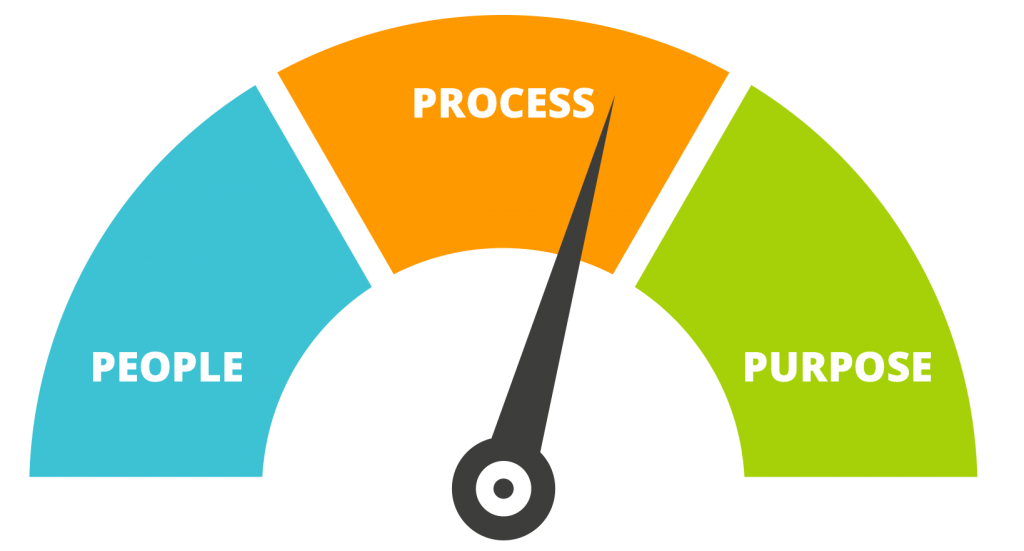
HMA Implementation Accelerator

PEOPLE

Leadership development

Build knowledge, skills, and abilities and apply them to implementation

Change agent engagement and development

Identify formal and informal leaders to inform, support and influence engagement

Implementation approach training

Build knowledge and skills critical to successful implementation

PROCESS

Project management

Develop or enhance structures and approach to guide implementation

Continuous improvement and critical feedback

Integrate structures and practices that facilitate continuous improvement, sustain momentum, and highlight critical adaptation

Communication planning

Plan and deploy intentional, pro-active communication strategies to effectively guide and support implementation

Tool development

Identify, develop, and deploy tools that support effective implementation and create efficiencies for implementation teams

Sustainability planning

Pro-actively plan for sustainability from outset

PURPOSE

Executive sponsorship

Engage and activate sponsorships for critical support and resources

Align implementation with mission

Connect implementation efforts to a larger “why” in alignment with mission

What’s included

Conceptual framework to guide implementation process

Strategies to develop effective sponsorship at the executive or senior leadership level to mitigate barriers and resource effort

Leadership skill development at the level of implementation

Processes to enhance effective ownership and commitment at all levels

Prioritization of change initiatives

Clear accountability of actions in implementation

Continuous quality improvement as part of implementation

Sustainability planning from the start

Research shows that successful leadership development occurs when the learning can be directly applied to active work processes, which aligns with how adults learn most effectively.

Through the Implementation Accelerator, we use a combination of interactive training, peer learning, and coaching to support hands-on learning. The integration of leadership development and implementation science provides a robust opportunity to develop and sustain leadership skills and develop an organizational methodology to guide both current and future implementation efforts.

For more information, contact our featured experts below.

Demonstrating quality, value, and equity in behavioral health

HMA’s team of over 50 behavioral health experts have direct experience in behavioral health policy, clinical program design and delivery, quality improvement and financing. Our breadth of expertise, including authors of NCQA’s Behavioral Health Quality Framework to Promote Joint Accountability, positions us well to support the design, delivery and payment of high quality behavioral health care.

We help clients demonstrate the value of their behavioral health care through:

Accreditation Readiness

Meet accreditation standards and demonstrate compliance

Analyze and use behavioral health-specific HEDIS, CAHPS/ECHO, HOS, ASAM/CARF to inform QI

Use key data sources to drive performance improvement plans

Use of Behavioral Health Quality Tools

Behavioral health network adequacy and equitable access

Integration of behavioral health, physical health and social needs

Measurement-based care

Patient outcomes

Cohesive Strategy Development

Behavioral health quality strategy planning aligned with organizational mission and vision

Standardized performance metrics

Value-based care and payment incentives

Pragmatic regulatory tools and policies

HMA is positioned to support

State and municipal departments of health and public health

Health plans & Managed Care Organizations

Health systems

Provider organizations

Community-based organizations

Certified community behavioral health clinics

Correctional health

Accreditation Readiness

Meet accreditation standards and demonstrate compliance

Analyze and use behavioral health-specific HEDIS, CAHPS/ECHO, HOS, ASAM/CARF to inform QI

Use key data sources to drive performance improvement plans

Use of Behavioral Health Quality Tools

Behavioral health network adequacy and equitable access

Integration of behavioral health, physical health and social needs

Measurement-based care

Patient outcomes

Cohesive Behavioral Health Quality Strategy Development

Behavioral health quality strategy planning aligned with organizational mission and vision

Standardized performance metrics

Value-based care and payment incentives

Pragmatic regulatory tools and policies

HMA is positioned to support

State and municipal departments of health and public health

Health plans & Managed Care Organizations

Health systems

Provider organizations

Community-based organizations

Certified community behavioral health clinics

Correctional health

For more information, contact our featured experts below.

Empowering clients to advance policies and system redesign for youth and families

The current youth behavioral health system is under-resourced, underfunded and often not well coordinated. Historic approaches that minimally adapt adult models to children and youth have led to insufficient child and youth specific strategic design of effective systems. Recent investments and policies offer a tremendous opportunity to redesign strategies, payment, and the delivery system to enhance access and achieve better outcomes, equity, and satisfaction of children and families. Health Management Associates (HMA) understand the levers and impacts across the system from state and local policy makers to payers, providers, schools, and communities. Our multidisciplinary teams will partner with you to identify challenges and solutions to advance and sustain the system of care.

What Makes HMA Unique?

HMA’s cross sectoral, multidisciplinary team is comprised of more than 20 dedicated children and youth behavioral health experts with rich backgrounds in government, community-based providers and payers. Our approach includes a deep understanding of policy, clinical, operations and fiscal systems, providing our clients with fundamental tools to design and implement sustainable solutions.

Our expertise spans multiple specialty areas impacted by children’s behavioral health:

Juvenile justice and justice-involved

Child welfare and foster care

Children’s behavioral health – primary care and social services, children with serious behavioral health issues (SMI, including co-occurring issues)

Youth crisis and mobile services, crisis stabilization unit design (CSU) services

School-based wellness centers, community schools

Certified community behavioral health clinics (CCBHCs)

Suicide prevention

State policy and system redesign, evidence-based practices and strategic planning including the intersection of Medicaid and child welfare

Telehealth for children and adolescents

Tech-enabled care

Mental health first aid

Our team is advancing the design, integration, and quality of children’s behavioral health across states and the continuum of care.

Examples of our work include:

Policy and system design for behavioral health services, foster care, and the intersection of Medicaid and child welfare

Maternal and child health programing and 2Gen approaches

Managed Care Organizations (MCO) reviews, strategy ad program design

Health system emergency department boarding and health system and community intervention design

Mobile Crisis Response (MCR) design and implementation

Implementation of school-based wellness centers and building connections to the health system

Services across the healthcare spectrum.

With a deep understanding of current and emerging shifts in care and policy, our behavioral health consultants are well equipped to provide specialized services for a range of clients.

Our Clients

Insights

Bolstering the Youth Behavioral Health System: Insights from HMA’s Latest Issue Brief

This week, our In Focus section highlights an HMA Issue Brief, Bolstering the Youth Behavioral Health System: Innovative State Policies to …

Innovative state policy solutions to enhance the youth behavioral health system

With suicide now the second leading cause of death among children, adolescents, and young adults (aged 15-24 years old) in …

For more information, contact our featured experts below.

Behavioral health workforce: an ongoing crisis 

Mental health and substance use treatment organizations struggle to meet the increase in demand for services, due in large part to a national workforce shortage. This challenge has been exacerbated due to the Covid-19 pandemic. Demand for behavioral health organizations’ services has continued to increase. At the same time, organizations are having trouble recruiting and retaining employees, and patient waitlists continue to grow. Competition for behavioral health workforce has only grown with new opportunities in telehealth and the entrance of private equity into the behavioral health market. The safety net providers are the most impacted and often have the least flexibility to address underlying factors leading to the shortages in large part due to regulation and administrative burden and underfunded payment models.   

HMA, in partnership with the National Council for Mental Wellbeing (NatCon), developed a series of issue briefs outlining state policy and provider steps that can help to address the critical shortage.

HMA is also working with NatCon and the College for Behavioral Health Leadership (CBHL) to engage national partners using a collective impact framework to provide backbone support for organizations to work together in a more structured and action-oriented approach and to leverage various implementers (policy, regulatory, payers, providers, educators, etc.) to move recommendations to action.   

Behavioral Health Workforce is a National Crisis: Immediate Policy Actions for States 

View Issue Brief

Actions to Address the National Workforce Shortage and Improve Care

View Issue Brief

Diversity, Equity and Inclusion: Emerging Opportunities for the Behavioral Health Workforce 

View Issue Brief

HMA can help state policy makers and provider organizations with workforce support and problem solving, workforce assessment, strategy and policy design.

Our team of experts includes clinicians with on-the-ground experience as well as previous policy makers. We’ve worked within the certified community behavioral health clinic (CCBHC) model and provide technical assistance to organizations planning for its adoption. We have experience in extending it beyond the demonstration utilizing Medicaid state plan amendments (SPA) or 1115 waivers to enhance the workforce.

HMA capabilities

Identifying effective workforce strategies including training and maximizing of multi-disciplinary teams (e.g., peers, behavioral health providers, nurses, licensed health care providers). 

Policy and system design for behavioral health services and workforce expansion 

Managed Care Organizations (MCO) strategy and program design as well as strategies to enhance the provider network 

Conducting certified community behavioral health clinic (CCBHC) readiness and implementation support. 

Maximizing virtual and technology interventions. 

Convening stakeholders and building partnerships across sectors. 

HMA is positioned to support

State Medicaid agencies 

State and local departments of health, public health, behavioral health, and child welfare 

Health plans & Managed Care Organizations  

Hospitals & health systems  

Provider organizations 

Community-based organizations  

Foundations & advocacy organizations

Certified community behavioral health clinics 

School-based behavioral health

Correctional health & juvenile justice systems 

For more information, contact our featured experts below.

Creating crisis systems that work

With the planning and implementation of 988 and mobile crisis teams, as well as co-responder models, state policy makers are working rapidly to advance effective approaches to systemically and effectively address the needs of individuals and families who are experiencing behavioral health crises.

Central to effective implementation is attention to specific community needs. States are working to partner with local communities to build capacity, leverage the knowledge and expertise of local partners, and gain an understanding of how new benefits and system changes fit into existing community frameworks. This local approach is particularly important for rural and frontier communities, and for tailoring models to meet specific priority populations’ needs, while building trust and ensuring crisis services are grounded in equitable access and culturally responsive care.

With more than 25 years of crisis system development, HMA colleagues stand ready to support crisis system community partners in advancing their crisis systems and services.

With our finger on the pulse of the science-backed research and approaches necessary to create integrated and comprehensive systems, we can help identify barriers and explore and implement solutions.

Our HMA crisis system team supports community partners with:

Partnership development

Stakeholder engagement

Crisis system needs assessment – strengths and gaps analysis

Program design and implementation

Crisis service development

Cross-system protocols

Cost modeling and sustainable reimbursement approaches

Distilling and meeting regulations

For more information, contact our featured expert below.

Behavioral health Section 1115 demonstration waivers and extensions

Health Management Associates (HMA) is a national leader in supporting states with the design, development, negotiation and implementation of Section 1115 demonstration waivers and waiver
extensions. HMA has assisted more than 20 Medicaid departments directly with their state plan amendments, waivers, and other demonstration projects – and most recently supported Alaska, Colorado, Delaware, Indiana, Missouri, and Oklahoma.

HMA’s behavioral health team is currently working with multiple Medicaid agencies on the development of substance use disorder (SUD), serious mental illness (SMI), and serious emotional disturbance (SED) specific 1115 waivers.

We pair our behavioral health and Medicaid subject matter experts to support states with:

  • Developing and applying for SMI/SED and SUD Section 1115 demonstration waivers.
  • Implementing SMI Section 1115 demonstration waivers.
  • Providing an assessment of the requirements under the Section 1115 demonstration waiver and Medicaid managed care “in lieu of” authorities, including requirements for average length of stay,
    provider oversight, and monitoring, as well as other considerations.
  • Reviewing managed care contract requirements and providing applicable Medicaid managed care contract language for states that are utilizing “in lieu of” authority to provide reimbursement for inpatient or residential stays in IMDs.
  • Technical assistance with developing administrative infrastructure to monitor utilization, including
    adherence to length of stay requirements under the waiver and “in lieu of” options. CMS’ SMI Section 1115 demonstration waiver guidance prohibits states from receiving Federal Financial Participation (FFP) for any IMD stays that exceed 60 days. In cases where states do not meet this metric, CMS can reduce this maximum length of stay (LOS) to 45 days or less. HMA understands it is important for states to have utilization management (UM) strategies in place to identify these instances and minimize the state’s financial risk, and can therefore provide examples of state UM strategies, as well as incentives to manage inpatient and residential LOS while maintaining access to medically necessary services.
  • Supporting design of data capture and reporting functions for meeting wavier requirements.
  • Serving as the independent evaluator for approved SUD and/or SMI/SED 1115 waiver demonstrations.

For more information, contact our featured experts below.

Mental health and addiction crises top the federal policy agenda in 2023

This week our In Focus section reviews President Joseph R. Biden’s 2023 State of the Union Address (SOTU) to Congress. The President highlighted specific actions that Congress, and the Administration have taken over the last two years to advance his health care priorities.

During his first SOTU address in 2022, President Biden announced the creation of a “Unity Agenda”, which included priority policy areas with potential for bi-partisan support. The President highlighted several steps the Administration has taken to advance the “Unity Agenda” including:

  • The bipartisan effort to enact the Mainstreaming Addiction Treatment (MAT) Act, which removed the federal requirement for practitioners to have a waiver (known as the X-waiver) to prescribe medications, like buprenorphine, for the treatment of opioid use disorder
  • The Cancer Moonshot announcements for almost 30 new programs, policies, and resources to close the screening gap, tackle environmental exposure, decrease preventable cancers, advance cutting-edge research, support patients and caregivers, and more.
  • Addressing mental health needs through the expansion of Certified Community Behavioral Health Clinics and launch of the 988-suicide prevention hotline.

In his SOTU and accompanying White House materials, the President also proposed new policies and initiatives to further advance his health care agenda. These actions include a combination of issues that would require Congressional approval as well as actions regulatory agencies can already advance. Congress and the Administration are expected to build on previous bipartisan achievements to tackle the nation’s dual crises with addiction and mental health.

Notably, the policies outlined in the SOTU foreshadow an active regulatory agenda over the next 18 months as the Administration seeks to solidify key aspects of the President’s health care agenda ahead of the next Presidential election.

The Administration’s planned actions include the following:

Opioids

  • Calling on Congress to pass legislation to permanently schedule all illicitly produced fentanyl-related substances into Schedule I.
  • SAMHSA will provide enhanced technical assistance to states who have existing State Opioid Response funds, and will host peer learning forums, national policy academies, and convenings with organizations distributing naloxone beginning this spring.
  • By this summer, the Federal Bureau of Prisons will ensure that each of their 122 facilities are equipped and trained to provide in-house medication-assisted treatment (MAT).
  • This spring CMS will provide guidance to states on the use of federal Medicaid funding to provide health care services—including treatment for people with substance use disorder—to individuals in state and local jails and prisons prior to their release. California is the first state to receive approval for a similar initiative.

Mental Health

  • CDC plans to launch a new campaign to provide a hub of mental health and resiliency resources to health care organizations in better supporting their workforce.
  • The Department of Education (ED) will announce more than $280 million in grants to increase the number of mental health care professionals in high-need districts and strengthen the school-based mental health profession pipeline.
  • HHS and ED will issue guidance and propose a rule to make it easier for schools to provide health care to students and more easily bill Medicaid for these services.
  • The Administration is scheduled to propose new mental health parity rules this spring.
  • HHS will improve the capacity of the 988 Lifeline by investing in an expansion of the crisis care workforce; scaling mobile crisis intervention services; and developing additional guidance on best practices in crisis response.
  • HHS also plans to promote interstate license reciprocity for delivery of mental health services across state lines.
  • HHS intends to increase funding to recruit future mental health professionals from Historically Black Colleges and Universities and to expand the Minority Fellowship Program.
  • The Department of Veterans Affairs (VA), working with HHS and Defense, will launch a program for states, territories, Tribes and Tribal organizations to develop and implement proposals to reduce suicides in the military and among veterans.
  • VA will also increase the number of peer specialists working across VA medical centers to meet mental health needs

Cancer Moonshot

  • The President called on Congress to reauthorize the National Cancer Act to overhaul cancer research and to extend the funding for biomedical research established in the 21st Century Cures Act.
  • The Administration will take steps to ensure that patient navigation services are covered by insurance. This could require legislation depending on which type on insurance an individual has.

Health care costs

  • Urging Congress to pass legislation to cap insulin prices in all health care markets. Expanding the $35 insulin cap to commercial markets will require the 60 votes in the Senate.

Home and community services

  • Working with Congress to approve legislation to ensure seniors and people with disabilities can access home care services and to provide support to caregivers.

HMA and HMA companies are closely monitoring these federal policy developments. We can assist healthcare stakeholders in responding to the immediate opportunities and challenges that arise and contextualize these actions for longer-term strategic business and operational decisions.

If you have questions about these or other federal policy issues and how they will impact your organization, please contact our experts below.

Ready to talk?