Blog

HMA annual conference on innovations in publicly sponsored healthcare

Innovations in Publicly Sponsored Healthcare: How Medicaid, Medicare, and Marketplaces Are Driving Value, Equity, and Growth

Pre-Conference Workshop: October 29, 2023
Conference: October 30−31, 2023
Location: Fairmont Chicago, Millennium Park

Health Management Associates has announced the preliminary lineup of speakers for its sixth annual conference, Innovations in Publicly Sponsored Healthcare: How Medicaid, Medicare, and Marketplaces Are Driving Value, Equity, and Growth.

Hundreds of executives from health plans, providers, state and federal government, investment firms, and community-based organizations will convene to enjoy top-notch content, make new connections, and garner fresh ideas and best practices.

A pre-conference workshop, Behavioral Health at the Intersection of General Health and Human Services, will take place Sunday, October 29.

Confirmed speakers to date include (in alphabetical order):

  • Jacey Cooper, State Medicaid Director, Chief Deputy Director, California Department of Health Care Services
  • Kelly Cunningham, Administrator, Division of Medical Programs, Illinois Department of Healthcare and Family Services
  • Karen Dale, Chief Diversity, Equity, and Inclusion Officer, AmeriHealth Caritas
  • Mitchell Evans, Market Vice-President, Policy & Strategy, Medicaid & Dual Eligibles, Humana
  • Peter Lee, Health Care Policy Catalyst and former Executive Director, Covered California
  • John Lovelace, President, Government Programs, Individual Advantage, UPMC Health Plan
  • Julie Morita, MD, Executive Vice President, Robert Wood Johnson Foundation
  • Anne Rote, President, Medicaid, Health Care Service Corp.
  • Drew Snyder, Executive Director, Mississippi Division of Medicaid
  • Tim Spilker, CEO, UnitedHealthcare Community & State
  • Stacie Weeks, Administrator/Medicaid Director, Division of Health Care Financing and Policy, Nevada Department of Health and Human Services
  • Lisa Wright, President and CEO, Community Health Choice

Publicly sponsored programs like Medicare, Medicaid, and the Marketplaces are leading the charge in driving value, equity, and growth in the U.S. healthcare system. This year’s event will highlight the innovations, initiatives, emerging models, and growth strategies designed to drive improved patient outcomes, increased affordability, and expanded access.

Early bird registration ends July 31. Group rates, government discounts, and sponsorships are available.

New experts join HMA in April 2023

HMA is pleased to welcome new experts to our family of companies in April 2023. This diverse team brings significant expertise in Medicare, Medicaid, regulatory strategies, and managed care, strengthening HMA’s capabilities in healthcare consulting across areas like actuarial support, regulatory compliance, and strategic leadership in Medicare Advantage and Medicaid programs.

Headshot of Jed Abell

Jed Abell

Consulting Actuary I

Headshot of Elrycc Berkman

Elrycc Berkman

Senior Consulting Actuary I

Headshot of Monica Bonds

Monica Bonds

Associate Principal

Headshot of Yucheng Feng

Yucheng Feng

Senior Consulting Actuary I

Headshot of Ryan McEntee

Ryan McEntee

Senior Consultant II

The continuing crisis in the public health workforce

The Current Public Health Environment

The public health workforce is in the midst of a crisis, dealing with staff shortages, accelerated retirements and unfilled positions.

The current climate was exacerbated by Covid-19, but many challenges began long before 2020’s pandemic. The public health system underwent a significant contraction following the Great Recession in 2008-2009, losing more than 40,000 positions in state and local governments across the country. While some of those positions were regained with Covid-19 funds during the pandemic, recruitment, diversity and retention remain as challenges, especially for hard to fill positions in nursing and epidemiology. Public health staff report high rates of burnout due to the Covid-19 response and the political climate that resulted, including suffering symptoms of post-traumatic stress disorder. It is likely that there will be staff shortages for the foreseeable future, increased retirements, and departures to other parts of the healthcare industry competing for skills with higher compensation.

New Funding Streams Available

State and local health departments have been receiving significant amounts of one-time money, including the Centers for Disease Control and Prevention (CDC) recent allocation of $3.5 billion specifically for governmental public health efforts.

Health Resources and Services Administration (HRSA) has created a new workforce research center for public health. The AmeriCorps program has developed a specific public health component. These new initiatives were designed to build and support the workforce in governmental public health. As state and local health departments receive or apply for these various sources of workforce development funding, HMA can provide existing technical assistance and training to minimize inefficiencies and duplication of efforts that might be created by a fragmented approach across state and local units of government developing independent approaches to the utilization of WFD funds. 

HMA Workforce Expertise

The public health group at Health Management Associates (HMA) is made up of more than 100 colleagues with expertise in public or population health improvement, experienced working with national, state or local organizations seeking to improve public health outcomes. If your organization is looking to improve your public health workforce efforts, it is important to utilize expertise and consolidate efforts across the country so each unit of government is not “reinventing the wheel.” HMA can help multiple organizations in developing plans and coordinating processes for recruiting, training and development of the public health workforce.

HMA understands the skills that are needed to achieve high-performing public health and accountable care. Our expertise developing workforce within safety net delivery systems and accountable care organizations involve transferrable skills for the current challenges in building and developing the public health workforce. We have expertise in recruiting and are creating new training and retraining methods to meet the needs of public health teams, accountable care organizations, graduate medical education, nursing education, learning collaboratives, online training and team simulation training. We understand the care coordination, care management and IT support systems needed to backstop the workforce and meet quality and equity goals.

Illinois requests Section 1115 waiver extension to address HRSNs and eliminate inequities

This week our In Focus section reviews the Illinois Healthcare Transformation 1115 Waiver Extension request, posted for review on May 12, 2023.

In pursuing this waiver extension, Illinois joins a growing list of states taking advantage of new Centers for Medicare & Medicaid Services (CMS) policy flexibilities to address health-related social needs (HRSNs) through Medicaid and test community-driven initiatives that are focused on improving health equity, improving access to care, and promoting whole-person care.

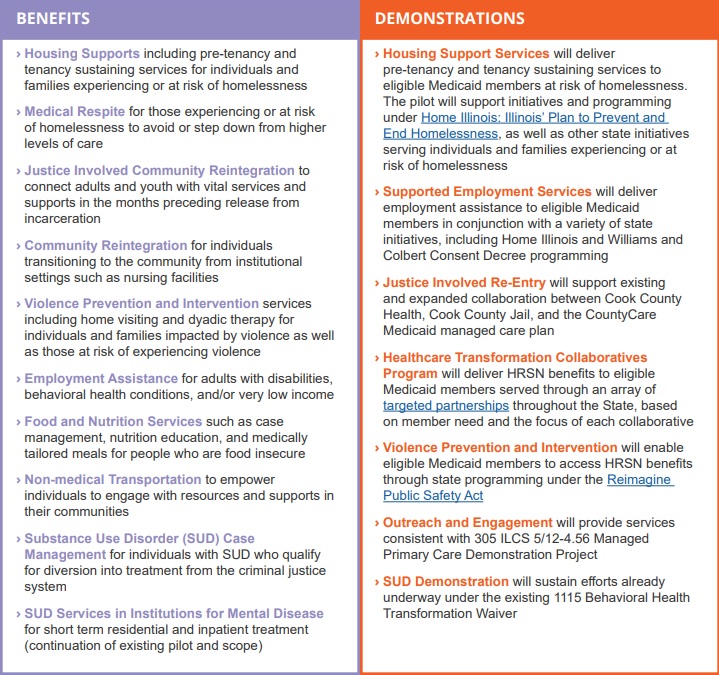
The Illinois waiver incorporates two of the most significant new opportunities in the CMS demonstration waiver flexibilities by proposing to incorporate housing supports for people who are experiencing or at risk of homelessness. The waiver also would extend community reintegration services for justice-involved adults and youths for up to 90 days before their release from incarceration. For a full list of proposed benefits and demonstrations, see Table 1.

Table 1. Summary of Illinois Medicaid 1115 Waiver Extension 

Benefits / Demonstrations

Source: Illinois Department of Health and Family Services. Illinois Healthcare Transformation Section 1115 Demonstration Extension Overview.

The Illinois waiver represents an unprecedented opportunity to demonstrate the long-term, positive impact of providing HRSN services to achieve health equity and create a sustainable, community-driven system for delivering those services. The demonstration proposes to offer a range of HRSN services that are focused on the unmet needs of people who are homeless and housing insecure, are justice-involved, have behavioral health conditions, are pregnant, are unemployed, are food insecure, and/or have been exposed to violence or are at risk of violence with the goal of eliminating health disparities.

The waiver projects a five-year total of $4.4 billion in HRSN services expenditures and another $800 million in HRSN-related infrastructure, indicating Illinois’ long-term commitment to healthcare transformation and to building an equitable, accessible, and high-quality delivery system.

For additional information, please email [email protected].

How will CMS’s proposed rule shift standards for Medicaid enrollee access to services?

This week’s In Focus is the second in a two-part look at the Centers for Medicare & Medicaid Services’ (CMS’s) recently proposed changes to the Medicaid program. Last week we covered CMS’s proposed changes to the federal Medicaid managed care regulations (CMS-2439-P). This week we review the Medicaid Access to Care proposed rule (CMS-2442-P).

As we discussed last week, the managed care and access to care rules include significant changes to core structural and financing aspects of the Medicaid program. Though state agencies, providers, health plans, consumer groups, and other stakeholders will want to understand the distinct requirements and expectations in each rule that apply to them, the proposed changes cannot be viewed in isolation.

The Access to Care rule addresses a range of challenges that shape the experience of Medicaid enrollees, regardless of whether they are in managed care programs or traditional fee-for-service (FFS). The proposed policy changes also are designed to create an updated federal framework for Medicaid’s home and community-based services (HCBS) programs. These proposals come at a pivotal time, as states are facing workforce shortages, particularly among HCBS direct care workers (DCWs).

The remainder of this In Focus delves into notable components of the proposed changes and includes analysis of the implications of these policies for stakeholders. CMS will benefit from stakeholder input; the deadline for submitting comments is July 3, 2023.

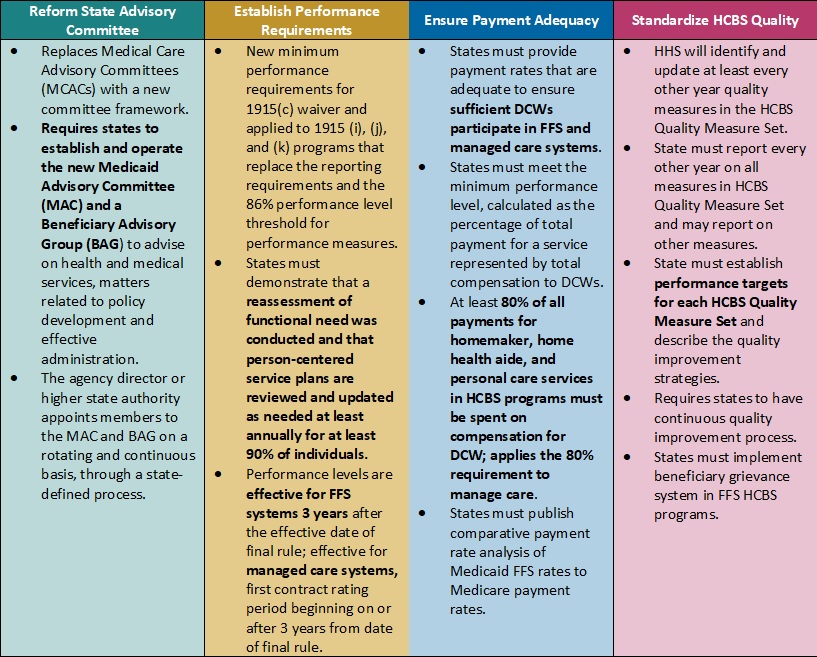
Table 1. Access to Care Regulations: Overview of Proposed Changes

Proposed changes depicted in chart

Key Themes and Considerations

Ensuring Payment Adequacy for Key HCBS Services Experiencing Workforce Shortages. One of the most notable proposed changes that would directly impact DCWs is a requirement that at least 80 percent of Medicaid payments be spent on compensation. The proposed rule would apply to homemaker, home health aide, and personal care services, as they represent a large portion of HCBS services that DCWs provide. The proposal is based on feedback from states that have implemented similar provisions, which have ranged from 75 to 90 percent compensation requirements.

CMS specifically seeks stakeholder feedback on the percentage that should be adopted. This policy provision also is important from an equity perspective, given that 90 percent of DCWs are women and 60 percent are members of racial or ethnic minority populations. However, increased or mandated DCW rates may make it difficult for HCBS providers to sustain their businesses as they manage the increased administrative pressures of electronic visit verification, the complexity of filing claims for managed long-term services and supports (MLTSS), and the additional work that HCBS quality measurement may create. Smaller HCBS providers, some of which may have deep cultural expertise, may struggle to sustain themselves and meet these requirements.

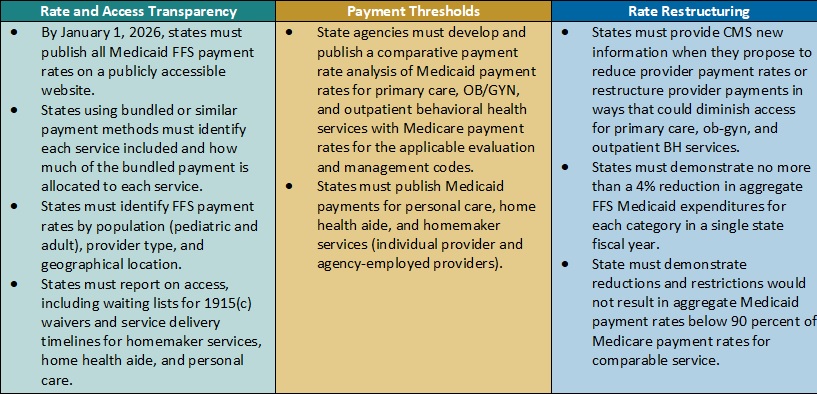
Table 2. Access to Care Regulations: Snapshot of Proposed Rate, Access, and Payment Changes

Snapshot of proposed changes

Payment Alignment. CMS is seeking to align access to care strategies and payment rate transparency more closely across the FFS and managed care delivery systems. The proposed rule includes several changes that CMS has developed achieve this goal. For example:

  • CMS plans to require that states publish more detailed rate information in a consistent format. States, health plans, providers, and other interested stakeholders will want to consider the implications by delivery system. Additional transparency requirements could create a new opportunity to understand rates across payers and states and use this information in addressing access challenges for services.
  • The proposed rule also would require extensive comparative analysis of Medicaid FFS rates and Medicare rates. CMS proposes to use Medicare non-facility payment rates as a benchmark to determine if states are meeting federal Medicaid access State analyses will be vital to CMS oversight as well as advocacy efforts within states to monitor and update FFS rates as needed.

Strengthening the Focus on Quality in State HCBS Programs. Over the last several decades, states and Medicaid stakeholders have made significant progress toward increasing participation in HCBS programs and community integration initiatives to counter Medicaid’s institutional bias. CMS is proposing more consistency in the expectations and reporting for HCBS quality measures to further the impact and create a consistent foundation for the recently mandated HCBS quality initiatives starting to take root.

In the short-term, the proposed changes will require states, and likely downstream providers and Medicaid agencies, to immediately change their quality reporting policies and systems. States and their stakeholders will want to map out processes for cyclical updates to HCBS quality measures, including cross-walking the future measures with existing ones, making systems changes, and updating dashboards. Targeted attention and focus will be needed to identify realistic HCBS performance targets that yield successful improvement strategies in the midst of a workforce crisis. Longer term, it will be necessary to map out when updates and reporting will be required to strengthen the rigor and accountability for state performance in the HCBS quality measure set, as well as reinforce the information available to make policy, clinical, and operational improvements to Medicaid programs.

HCBS Access Measurement. CMS is proposing new FFS HCBS payment and access transparency requirements to ensure compliance with Medicaid provider payment rules that require payments to be adequate to enlist at least the same number of providers that the overall geographic population can access. Because the targeted HCBS services do not have a comparable Medicare rate, CMS proposes implementation of a payment rate disclosure approach that would standardize data and monitoring across service delivery systems, with the goal of improving access. In addition to proposed payment transparency changes, CMS proposed new reporting on HCBS waiver waiting lists and timelines for the start of related services once authorized.

These new reporting requirements will provide stakeholders with more information to benchmark their state’s experience with other providers across the nation. This information could be influential to policymakers and legislators and help uncover some of the core contributors to our nation’s HCBS workforce shortage.

Improving Health Equity with Medicaid Beneficiary Input. CMS proposes overhauling the scope and membership of the state Medical Care Advisory Committee. The new Medicaid Advisory Committee (MAC) would continue to advise the state on health and medical matters and play an expanded advisory role on matters of policy development and effective administration of the program. CMS also plans to require that states establish a Beneficiary Advisory Group (BAG) composed of current or past Medicaid beneficiaries. A subset of BAG members would serve on the MAC to ensure their perspectives are integrated into the committee’s recommendations to states.

Under the new federal requirements, MAC representatives could have greater relative input and influence on policies and actions each state Medicaid agency advances. Medicaid stakeholders will want to ensure the MAC’s minimum federal requirements support effective structures and processes in states.

What’s Next

CMS plans to reframe Medicaid access as one of three parts of the continuum of care, along with enrollment and maintenance of coverage. The proposals in the Access to Care rule would have a meaningful impact on the volume and type of data available to evaluate the relationship between Medicaid payment rates and access across all delivery systems.

States, managed care organizations, providers, Medicaid enrollee advocacy organizations, and other interested stakeholders should analyze the proposals and consider submitting comments to CMS on the feasibility, potential impact, and, where applicable, alternatives to the proposed changes. They also can use this time to begin planning and determine which resources and tools they may need to prepare for implementation of changes across delivery systems in the Medicaid program.

HMA’s experts are taking a wholistic approach to reviewing the Access to Care and Managed Care proposed rules in tandem and identifying key points of intersection.

For more information on the access to care proposed rule, contact our experts below.

What you need to know about CMS’s proposed changes to Medicaid managed care rules

This week, our In Focus section reviews CMS’s proposed changes to the federal Medicaid managed care access, finance, and quality regulation (CMS-2439-P). A future In Focus will take a closer look at the proposed changes to the federal Medicaid access to care regulation (CMS-2442-P), which also has significant implications for state Medicaid programs.

On April 28, 2023, the Centers for Medicare & Medicaid Services (CMS) unveiled two significant and related proposed rules addressing Medicaid managed care access, finance, and quality requirements. Together these proposed rules signal a new era of accountability and transparency in the Medicaid program. They also strengthen beneficiaries’ role in influencing the policies and administration of state Medicaid programs.

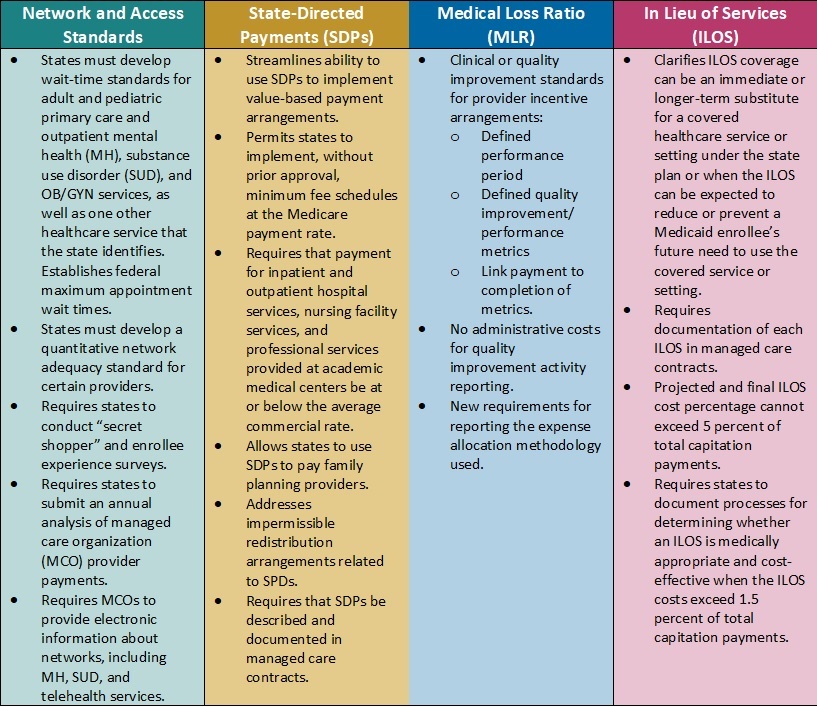
Table 1 identifies a few of the key themes and issues addressed in the Medicaid managed care proposed rule. The deadline for submitting comments to CMS is July 3, 2023.

Table 1. Medicaid Managed Care Proposed Rule: Snapshot of Proposed Changes

Network and Access Standards chart

Key Themes and Considerations

Payment Ceilings May Accelerate Value-Based Payment Arrangements. Current federal regulations allow states to direct managed care organizations (MCOs) to pay providers according to specific rates or methods. States have used these directed payment arrangements to set minimum payment rates for certain types of providers or to require participation in value-based payment (VBP) initiatives.

In the proposed rule, CMS calls for establishing an upper limit for these payments. Specifically, the agency plans to limit the projected total payment rates to the average commercial rate (ACR) for inpatient and outpatient hospital services, nursing facility services, and qualified practitioner services at academic medical centers that states include in state-directed payment (SDP) arrangements. The ACR limit, in concert with the proposed SDP documentation and reporting, is among the most significant and complex proposed changes in the rule.

Considerations: The proposed changes represent a strong federal regulatory push to accelerate movement to VBP in Medicaid, which provides states with new levers to drive value in their Medicaid delivery systems. It also means that MCOs, providers, and other stakeholders will need to navigate and help inform the policies and contractual arrangements that will flow from the pending changes. For example, states may need to reflect on the following considerations:

  • Whether the proposals will require them to reduce reimbursement
  • Whether they will need to develop new value-based arrangements through SDPs and how these policies will be structured
  • What outcomes they might need to prioritize
  • How transparency in reporting provider-level payments could affect non-federal funding and SDP initiatives

Updated Approach to in Lieu of Services (ILOS) Facilitates Whole-Person Care. In January 2023, CMS issued a State Medicaid Director Letter (SMDL#23-001) advising states of the option to use the ILOS authority in Medicaid managed care programs to reduce healthcare inequities and address unmet health-related social needs (HRSNs), such as housing, food insecurity, and intimate partner violence. The proposed Medicaid managed care rule would expand upon and codify in regulation that guidance.

Considerations: Although the ILOS proposal adds reporting requirements and guardrails to address fiscal accountability, overall, the updated policy signals CMS’s willingness to support innovative state approaches to meet a continuum of beneficiary needs, including HRSNs that affect the social drivers of health. Notably, CMS advises that the substitution of an ILOS for a state plan service or setting should be cost-effective but does not need to be budget-neutral. States also can specify that an ILOS can be an immediate or longer-term substitute for a state plan service or setting.

States could pursue a variety of options under CMS’s revised ILOS framework. State Medicaid agencies and their partners can collaborate on ILOS strategies that will allow them to make further progress toward reducing healthcare inequities, as well as fulfill their quality strategy goals and objectives.

New Standards for Medical Loss Ratio Strengthen Link to Performance Improvement. Existing federal regulations require Medicaid managed care plans to report their medical loss ratio (MLR) to states annually, and, in turn, states must submit a summary of those reports to CMS. Many state MCO contracts require plans to comply with provider incentive and bonus policies; however, MCOs infrequently make incentive payments contingent on the provider meeting quantitative clinical or quality improvement standards.

Consistent with the healthcare sector’s transition toward value-based care, CMS proposes to strengthen the link between an MCOs incentive payment to a provider and the provider meeting defined quality improvement or performance metrics. Additionally, contractual language between MCOs and providers will need to more explicitly identify the dollar amounts tied to successful completion of these metrics. Only incentive payments based on quality improvement will be considered incurred claims when plans calculate their MLR; administrative costs cannot be included in quality improvement activity reporting.

Considerations. The proposed requirements are expected to add more transparency to negotiations between Medicaid MCOs and providers. MCOs will retain flexibility to determine the quality improvement or quantitative performance metrics, which carry more weight and accountability in CMS’s revised regulatory framework.

Network Adequacy Requirements Strengthen Link to Access and Rates. CMS also proposes policies that the agency believes will help strengthen Medicaid enrollees’ access to services. For example, the rule would require states to develop wait-time standards for adult and pediatric primary care and outpatient mental health, substance use disorder (SUD), and OB/GYN services, with CMS establishing federal minimum appointment wait times. States also will need to develop a quantitative network adequacy standard, beyond wait times, for certain providers.

Notably, CMS also plans to require states to submit an MCO-level analysis of MCO-to-provider payments. This analysis may provide more insights about the relationship between rates and access to certain types of providers and services. It may also improve alignment in access policies across delivery systems.

Considerations: States and MCOs should expect to need more sophisticated analysis of provider capacity at state and local market levels. This information will be critical in developing network adequacy standards and determining where additional provider support may be necessary. Expanded and new strategies may be needed to ensure compliance with the federal rules and resulting changes to state policies.

What’s Next

Many of CMS’s proposals track closely with many recent recommendations from federal commissions and oversight entities, including the Medicaid and CHIP Payment and Access Commission (MACPAC) and Government Accountability Office (GAO), which may indicate a greater likelihood that CMS will finalize those policies. If they are finalized largely as proposed, the rule will further the Biden Administration’s directional imprint on the Medicaid program.

Within the proposed rules described above, CMS identifies numerous areas where stakeholder input would be beneficial. States, MCOs, providers, and other interested stakeholders should analyze the proposals and consider submitting comments to CMS on the feasibility, potential impact, and, where applicable, alternatives to the proposed changes. Stakeholders also may use this time to begin planning for 2024 and determining what resources and tools they may need to prepare for implementation of the final regulations, as well as how their approach may vary based on state-specific factors.

For questions about the rule and how HMA’s team of experts can support your organization’s response, please contact our experts below.

Biden administration encourages states to apply for Medicaid Reentry 1115 Demonstration for individuals in carceral settings

This week our In Focus section reviews guidance from the Centers for Medicare & Medicaid Services (CMS), released on April 17, 2023, encouraging states to apply for the new Medicaid Reentry Section 1115 Demonstration Opportunity. The demonstration is aimed at helping improve care for individuals in carceral settings prior to their release.

Background

The United States has approximately 1.9 million individuals incarcerated nationwide. Studies have shown higher rates of mental illness and physical health care needs in incarcerated populations compared to the general population, as well as associations between jail incarceration and increases in premature death rates from infectious diseases, chronic lower respiratory disease, drug use, and suicide.

CMS states that formerly incarcerated individuals with physical and mental health conditions and substance-use disorders (SUDs) typically have difficulty succeeding upon reentry due to obstacles present immediately at release, such as high rates of poverty and high risk of poor health outcomes. These individuals tend to face barriers in obtaining housing, education, employment, and health care access upon release. They often do not seek outpatient medical care and are at significantly increased risk for emergency department (ED) use and hospitalization.

Purpose and Goals

After collecting feedback from stakeholders, including managed care organizations, Medicaid beneficiaries, health care providers, the National Association of Medicaid Directors, and other representatives from local, state, and federal jail and prison systems, CMS designed the Reentry Section 1115 Demonstration Opportunity. The services covered under this demonstration opportunity should aim to improve access to community resources that address the health care and health-related social needs of the carceral population, with the aims of improving health outcomes, reducing emergency department visits, and inpatient hospital admissions for both physical and behavioral health issues once they are released and return to the community.

The purpose of this demonstration opportunity is to provide short-term Medicaid enrollment assistance and pre-release coverage for certain services to facilitate successful care transitions. The full goals, as quoted from CMS, are as follows:

  • “Increase coverage, continuity of coverage, and appropriate service uptake through assessment of eligibility and availability of coverage for benefits in carceral settings just prior to release
  • Improve access to services prior to release and improve transitions and continuity of care into the community upon release and during reentry
  • Improve coordination and communication between correctional systems, Medicaid systems, managed care plans, and community-based providers
  • Increase additional investments in health care and related services, aimed at improving the quality of care for beneficiaries in carceral settings and in the community to maximize successful reentry post-release
  • Improve connections between carceral settings and community services upon release to address physical health, behavioral health, and health-related social needs
  • Reduce all-cause deaths in the near-term post-release
  • Reduce number of ED visits and inpatient hospitalizations among recently incarcerated Medicaid beneficiaries through increased receipt of preventive and routine physical and behavioral health care”

CMS encourages states to engage with individuals who were formerly incarcerated when contemplating the design and implementation of their proposal. CMS also encourages states to design a broadly defined demonstration population that includes otherwise eligible, soon-to-be former incarcerated individuals. States have the flexibility to target population, such as individuals with specific conditions, but are encouraged to be mindful of undiagnosed conditions. States should have a plan to ensure incarcerated individuals will be enrolled in Medicaid upon their release, applying for Medicaid no later than 45 days before the day of release.

Reentry Section 1115 Demonstration Opportunity

To receive approval for the demonstration, the state proposal must include in the pre-release benefit backage:

  1. Case management to assess and address physical and behavioral health needs and health-related social needs;
  2. Medication-assisted treatment (MAT) services for all types of SUD as clinically appropriate, with accompanying counseling; and
  3. A 30-day supply of all prescription medications that have been prescribed for the beneficiary at the time of release, provided to the beneficiary immediately upon release from the correctional facility.

In addition to these three services states may include other important physical and behavioral health services to cover on a pre-release basis, such as family planning services and supplies, behavioral health or preventive services, including those provided by peer supporters/community health workers, or treatment for Hepatitis C. CMS is also open to states requesting Section 1115 expenditure authority to provide medical supplies, equipment, and appliances.

The Reentry Section 1115 Demonstration opportunity is not intended to shift current carceral health care costs to the Medicaid program. CMS will not approve state proposals to receive federal Medicaid matching funds for any existing carceral health care services funded with state or local dollars unless the state agrees to reinvest the total amount of new federal matching funds received into activities or initiatives that increase access to or improve the quality of health care services for individuals who are incarcerated.

CMS also expects states to refrain from including federal prisons as a setting in which demonstration-covered prerelease services are provided under the opportunity.

States with approved demonstrations will need to submit an implementation plan, a monitoring protocol, quarterly/annual monitoring reports, a mid-point assessment report, an evaluation design, and interim/summative evaluation reports.

California

California became the first state to receive approval for a Section 1115 waiver amendment earlier this year to provide limited Medicaid services to incarcerated individuals for up to 90 days immediately prior to release. The approval period runs through December 31, 2026, timed with the expiration of the CalAIM Medi-Cal waiver demonstration. California’s reentry demonstration initiative aims to provide health care interventions at earlier opportunities for incarcerated individuals to reduce acute services utilization and adverse health outcomes. The state anticipates it will increase coverage and continuity of coverage for eligible beneficiaries, improve care transitions for beneficiaries as they reenter the community, and reduce morbidity and mortality in the near-term post-release.

Pre-release services include comprehensive care management, physical and behavioral clinical consultation, lab and radiology, MAT, community health worker services, and medications and durable medical equipment. A care manager will be assigned to eligible individuals to establish a relationship, understand their health needs, coordinate vital services, and make a plan for community transition, including connecting the individual to a community-based care manager they can work with upon their release. Additionally, all counties implementing Medi-Cal application processes in jails and youth correctional facilities will “suspend” the Medicaid status while an individual is in jail or prison, so that it can be easily “turned on” when they enter the community.

On April 6, 2023, HMA held a webinar titled, “Medicaid authority and opportunity to build new programs for justice-involved individuals.” The webinar replay is now available. HMA will announce additional webinars on the topic.

Read the Press Release and Letter

HMA’s CCBHC program implementation support

Implementation

Since the inception of the Certified Community Behavioral Health Clinics (CCBHC) model, we’ve been working across the country with designated CCBHCs, to help implement the model in ways that maximize the value of the designation.

We’ve worked with a diverse range of behavioral health providers and other stakeholders in planning for and implementing the CCBHC model both within the demonstration program framework, as well as through federally funded CCBHC-expansion grants. Our team of experts supports providers to leverage the CCBHC model to support their overall agency mission and growth goals. 

APPROACH

HMA’s CCBHC-related support spans a spectrum from strategic planning through grant securing, grant implementation, organizational change management, to demonstration program participation. HMA offers implementation support that is customized to each organization and its unique circumstances, while leveraging our unmatched breadth of experience with Substance Abuse and Mental Health Services Administration (SAMHSA), CCBHCs, behavioral health treatment and support services, state Medicaid systems, clinical integration, health information technology, quality improvement, healthcare finance, and strategy.

Strategic planning to see how CCBHCs can support each agency to meet its goals

Readiness assessment to best position the agency for CCBHC certification in a competitive landscape

Write SAMHSA proposals to secure CCBHC grant funding

Implementation support in alignment with CCBHC criteria, as well as SAMHSA and state requirements

Ongoing quality improvement to support improvement and advancement of CCBHC programming

Help agencies transition from CCBHC grant funding to a sustainable reimbursement model

In addition, HMA can support a CCBHC implementation with any or all of the following services: financing, workforce recruitment/retention strategies, project management, technical assistance, and health information technology and exchange.

RESULTS

In 2022 alone, we supported behavioral health providers to attain more than $110 million in expansion grant funding they will use in their communities, including over $46 million in CCBHC-planning, development, and implementation grant funding and more than $63 million in CCBHC-improvement and advancement grant funding.

In addition, we have supported more than 20 states to write their CCBHC planning grant applications to initiate a state-run CCBHC model. Most recently, we had 100% success rate for our FY23 planning grant applications, resulting in four states receiving one year planning grants to build a state-run CCBHC model.

CMS’s 2024 hospital inpatient rule proposes payment increases, support for safety net hospitals, and NTAP program changes

This week, our In Focus section reviews the policy changes proposed by the Centers for Medicare & Medicaid Services’ (CMS) on April 10, 2023, for the Fiscal Year (FY) 2024 Medicare Hospital Inpatient Prospective Payment System (IPPS) and Long-Term Acute Care Hospital (LTCH) Proposed Rule (CMS-1785-P). This year’s IPPS Proposed Rule includes several important policy changes that will alter hospital margins and change administrative procedures, beginning as soon as October 1, 2023.

Key provisions of the FY 2024 Hospital IPPS and LTCH Proposed Rule

For FY 2024, CMS proposes to make modifications to several hospital inpatient payment policies. We highlight six proposed policies that are among the most impactful for Medicare beneficiaries, hospitals and health systems, payors, and manufacturers:

  1. the annual inpatient market basket update,
  2. hospital wage index adjustments,
  3. New Technology Add-on Payment (NTAP) program policy changes,
  4. the agency’s call for input on how to best support Safety Net Hospitals,
  5. graduate medical education payments at rural emergency hospitals, and
  6. changes to many cardiovascular-related MS-DRGs.

Stakeholders will have until June 9, 2023, to submit comments to CMS on the contents of this regulation and request for information

1. Market basket update

Proposed Rule: Overall CMS’s Medicare 2024 Hospital Inpatient Proposed Rule will increase payments to acute care hospitals by an estimated $3.3 billion from 2023 to 2024; however, recent trends in economy-wide inflation may alter this estimate by the time the agency releases the Final Rule version of this regulation in August 2023. The primary driver of the estimated $3.3 billion increase in inpatient payments to hospitals is CMS’s proposed 2.8 percent increase in the annual update to inpatient operating payment rates.

HMA/Moran analysis: CMS’s 2.8 percent increase is largely based on an estimate of the rate of increase in the cost of a standard basket of hospital goods, the hospital market basket. For beneficiaries, increasing payment rates will eventually lead to a higher standard Medicare inpatient deductible and increased beneficiary out-of-pocket costs for many other services. For hospitals and health systems, payors, and manufacturers the proposed payment increase (2.8 percent) falls below economy-wide inflation (5-6 percent in recent months) and hospitals are already saying it is insufficient.[1] For this Proposed Rule, data from the third quarter of 2022 was used to calculate the 2.8 percent increase. Importantly, for the FY 2024 Final Rule, CMS will use data through the first quarter of 2023, which we know to include additional growth in economy-wide inflation. As a result, we anticipate the proposed 2.8 percent increase in payment rates may increase slightly by the time rates are finalized later in the year.

2. Hospital Wage Index Adjustments:

Proposed Rule: CMS proposes two wage index policies for FY 2024. First, CMS proposes to continue temporary policies finalized in the FY 2020 IPPS/LTCH PPS final rule to address wage index disparities affecting low-wage index hospitals, which includes many rural hospitals. Second, CMS proposes to include geographically urban hospitals that choose to reclassify into rural wage index areas in the calculation of state-level rural wage index and the calculation of the state-level wage index floor for urban hospitals (referred to as the rural floor policy).

HMA/Moran analysis: The two wage index policies proposed by CMS for FY 2024 will support rural hospitals. The first policy, to continue the low-wage index policy for an additional year beyond the original 4-year plan will allow hospitals with low wage indexes to boost their wage index and their payment rates across all MS-DRGs. Specifically, hospitals with wage indexes below 0.8615 (the 25th percentile across all hospitals) will automatically receive an increase in their wage index by CMS. This policy will bring additional millions of dollars to individual rural hospitals in FY 2024. The second policy, to include the labor data of geographically urban hospitals that choose to reclassify into rural wage index areas within the calculation of the state-level rural wage index and the state-level rural floor will largely benefit rural hospitals. In recent years several large geographically urban hospitals in several markets have chosen to reclassify into rural wage index areas to benefit their Medicare payments. In the past, CMS has not included the labor costs of these hospitals, which tend to have higher than average labor costs in their calculation of the state rural wage index or the rural floor wage index. In making this change, to include the labor costs of the geographically urban hospitals in these calculations, CMS will very likely increase the state-wide rural wage index. This will have the effect of increasing the wage index of many rural hospitals around the country. The overall impact of both proposed wage index policy changes for FY 2024 will be to increase inpatient payment rates to rural hospitals.

3. New technology add-on payments (NTAP):

Proposed Rule: Citing the increased number of applications over the past several years and noting the need for CMS staff to have time to fully review and analyze the applications, CMS proposes two changes to the NTAP application requirements.  First, CMS proposes to require all applicants to have a complete and active FDA market authorization request in place at the time of NTAP application submission (if not already FDA approved).  In addition, CMS proposes to move the FDA approval deadline from July 1 to May 1, beginning with applications for FY 2025.

HMA/Moran Analysis: CMS’ proposals to change the NTAP application process aim to ameliorate the problem of manufacturers withdrawing applications because they miss the FDA approval deadline. These withdrawals increase CMS’ workload, as the agency reviews some applications multiple times. However, while these proposals provide CMS with more time to review applications, they increase the amount of time some applicants will not receive NTAP payments, depending on the timing of the FDA approval process. The annual NTAP approval cycle and FDA approval deadline create difficulties for manufacturers with products that miss the deadline, which many stakeholders argue creates barriers to access for new technologies. Stakeholders have proposed a variety of potential solutions to these barriers, such as biannual or quarterly NTAP decisions, or extending the conditional approval pathway currently used for certain antibiotic products to all NTAP applications.

 4. Safety Net Hospital Request for Information:

Proposed Rule: CMS is seeking public input on the unique challenges faced by safety-net hospitals and the patients they serve, and potential approaches to help safety-net hospitals meet those challenges.

HMA/Moran Analysis: In the 2024 Proposed Rule CMS poses a variety of questions to the public about how safety net hospitals and their patients can be better supported by the Medicare program, both in terms of payment and infrastructure investment. The agency specifically asks stakeholders their opinion on measures that could be used to define safety net hospitals and potentially make differential or additional payments to safety net hospitals. CMS names the safety net index (SNI) developed by the Medicare Payment Advisory Commission (MedPAC) in recent years and the Area Deprivation Index (ADI) developed by the National Institutes for Health (NIH) as the two leading options for defining and potentially reimbursing safety net hospitals. These two methods have several significant differences, including that the SNI is a hospital-level measure based in-part on the volume of cases at a given hospital associated with Medicare beneficiaries that are fully or partially eligible for Medicaid and the ADI is a geographic measure that correlates local socioeconomic factors with medical disparities. HMA has modeled the SNI for hospital stakeholders in the last year and has identified hospitals that would be potential winners and losers if an SNI approach were implemented by CMS.

5. Graduate Medicare Education Training in Rural Emergency Hospitals:

Proposed Rule: CMS proposed to allow Graduate Medical Education (GME) payments for training Rural Emergency Hospitals. Rural Emergency Hospitals are a new provider type established by the Consolidated Appropriations Act, 2021, to address the growing concern over closures of rural hospitals. If finalized, this proposal would allow hospitals converting to REH status and other hospitals newly designated as REHs to receive Medicare GME payments even though they do not have an inpatient facility.

HMA/Moran analysis: If finalized, the proposed policy to allow REHs to offer GME training and to be paid for GME training will enhance access to care in rural areas and will enable hospitals that convert to REHs to expand their capabilities. CMS’s proposal to allow REHs to receive payment based on 100 percent of the reasonable costs for GME training costs allows REHs to operate training programs and to focus new training programs on rural care and outpatient care. This policy, if finalized, will bring additional revenues to hospitals that decide to convert to REHs (thereby relinquishing their inpatient capacity) and will improve access to care for beneficiaries living in rural areas.

6. MS-DRG weights:

Proposed Rule: To set MS-DRG weights for FY 2024 inpatient cases, CMS proposed to use FY 2022 data, which is consistent with pre-pandemic CMS methods. In previous years, CMS had modified its MS-DRG weight calculation to account for high volumes of COVID cases. However, for FY 2024, CMS has returned to its longstanding method of using a single year of data to set MS-DRG weights. In addition, among the various changes CMS has proposed as a part of the 2024 MS-DRG weight setting process CMS has proposed significant changes to many MS-DRGs in the category for diseases and disorders of the circulatory system (Major Diagnostic Category 5).

HMA/Moran analysis: CMS’s return to using a single year of data without COVID modification will be welcomed by many stakeholders, but particularly for those with an interest in short-stay surgical cases. The modifications CMS proposes to make to the MS-DRGs within Major Diagnostic Category 5, which includes numerous cardiovascular MS-DRGs, are likely to be disruptive for many stakeholders initially but over the long term are likely to make CMS coding more consistent with standard clinical practice and per case resource use. For example, CMS is proposing to consolidate five cardiac defibrillator MS-DRGs into three, consolidate three Thrombolysis MS-DRGs into two, and overhaul the family of stenting MS-DRGs. We anticipate that these changes and other proposed by CMS may result in initial coding confusion for hospitals, but that they will slowly adapt throughout 2024.

HMA and The Moran Company work collaboratively to monitor legislative and regulatory developments in the inpatient hospital space and assess the impact of inpatient policy changes on the hospital sector. HMA’s Medicare experts interpret and model inpatient policy proposals and use these analyses to assist clients in developing their strategic plans and comment on proposed regulations. Moran annually replicates the methodologies CMS uses in setting hospital payments and models alternative payment policies to help support its clients’ comments to the rule. Moran also assists clients with modeling for DRG reassignment requests and to support NTAP applications. Typically, these projects run through the summer, to ensure readiness for October deadlines. Finally, many clients find it useful to model payments for different types of cases under different payment scenarios. For example, a client may be interested in how payments for COVID-19 cases may change after the expiration of the Public Health Emergency, and which hospitals will face the biggest payment cuts. Moran is available to help with these and other payment modeling questions—and works on many of these issues in tandem with HMA’s Medicare experts.

For more information or questions about the policies described below, please contact our experts below.

[1] CMS issues hospital IPPS proposed rule for FY 2024

Financial impact summary of the 2024 Medicare Advantage advance notice

This week, our In Focus section highlights a Wakely, an HMA Company, summary and analysis of the 2024 Medicare Advantage Advance Notice, prepared for America’s Health Insurance Plans (AHIP). The Centers for Medicare & Medicaid Services (CMS) released the contract year (CY) 2024 Advance Notice with an accompanying fact sheet on February 1, 2023. AHIP has retained Wakely Consulting Group to provide a financial impact summary report of the information presented in the notice. Specifically, Wakely was asked to analyze changes to Medicare Advantage (MA) revenue, risk adjustment models, and fee-for-service (FFS) normalization.

Key highlights of the analysis are:

  • The CY 2024 FFS growth rate is lower than projections from the 2023 Final Announcement. A portion of the downward restatement is driven by a technical change. CMS has not commented on the additional drivers.
  • Based on a large sample of plans, Wakely estimated that the proposed Part C risk adjustment model is expected to decrease plan risk adjusted payment by 3.7 percent overall, which represents a bigger headwind than the CMS estimated decrease of 3.12 percent. The impacts vary significantly by model segment and geographic region, and for individual plans.
  • The proposed FFS normalization factor excludes PY 2021 risk scores in the calculation of the underlying trend. The exclusion of PY 2021 increases the FFS normalization factor which decreases PY 2024 risk scores.

The report, released March 6, 2023, provides additional detail and discussion of these issues. For questions, please contact our experts below.

Click here to read the report.

Ready to talk?